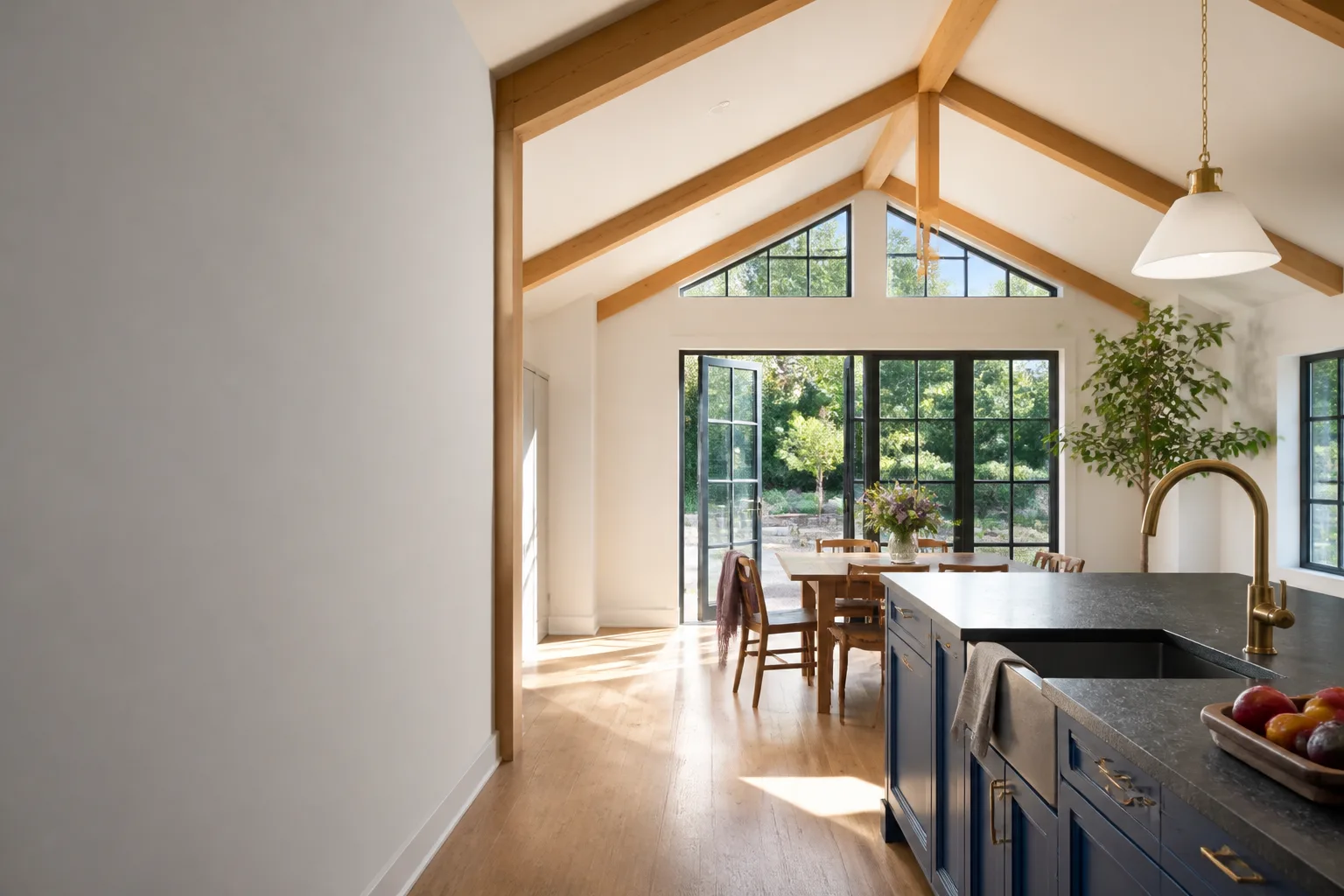

Abodu Room Addition Contractor in Whitney: What to Know First
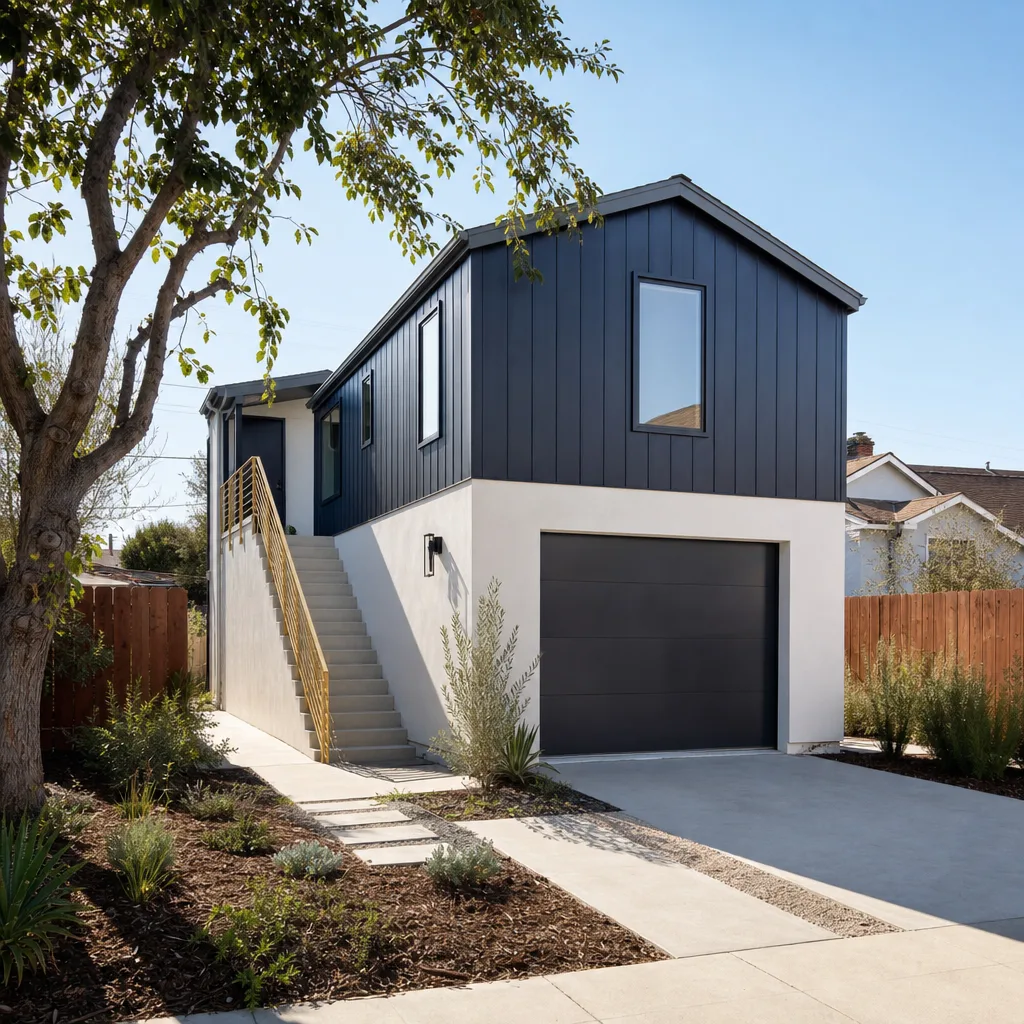
If you own an Abodu unit in Whitney and need it tied into a larger room addition, or need the addition itself built around it, we handle that work as an independent Abodu service provider. Most Abodu-tied additions we scope in Whitney move from site visit to written price in about a week, and build timelines run longer than a standalone prefab set because the addition, foundation, and utility tie-ins all have to line up. We won’t quote you a number on this page and pretend it’s your number – we quote after we’ve stood on your lot.
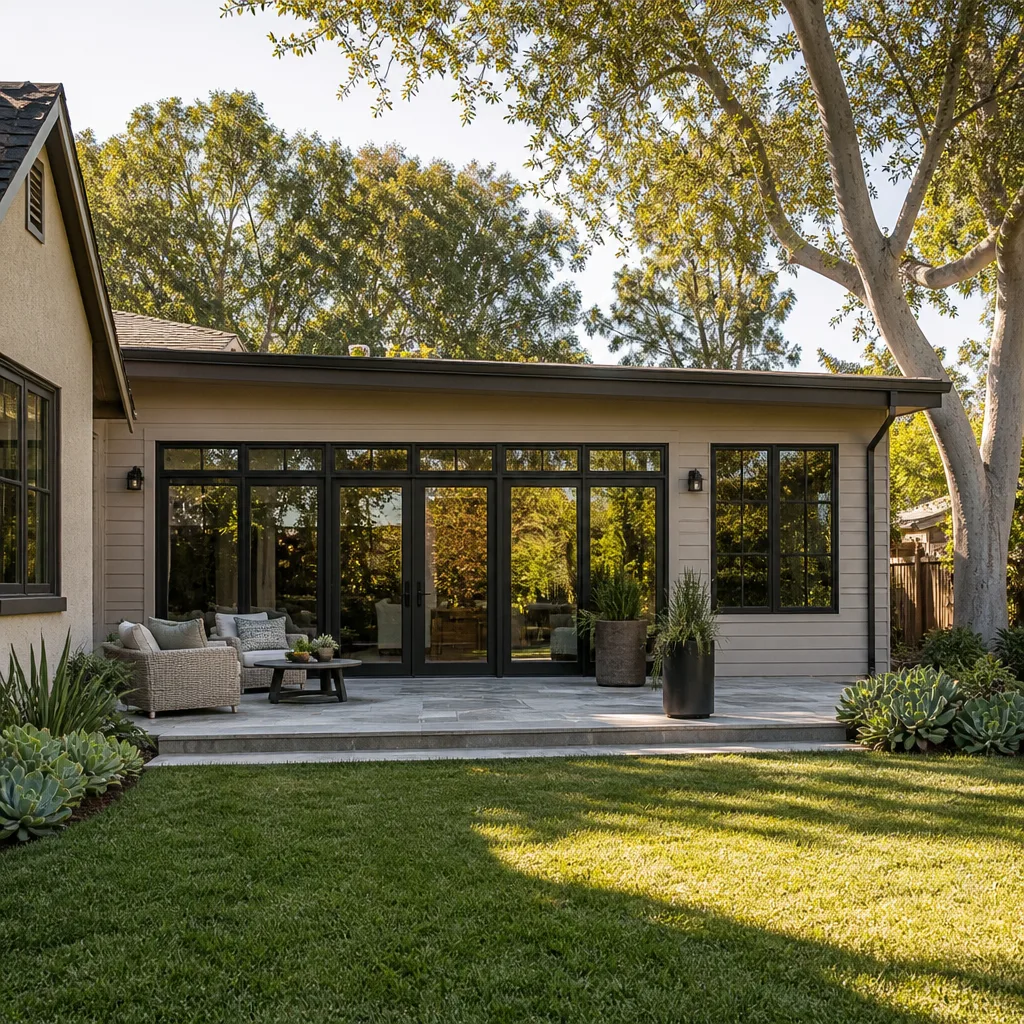
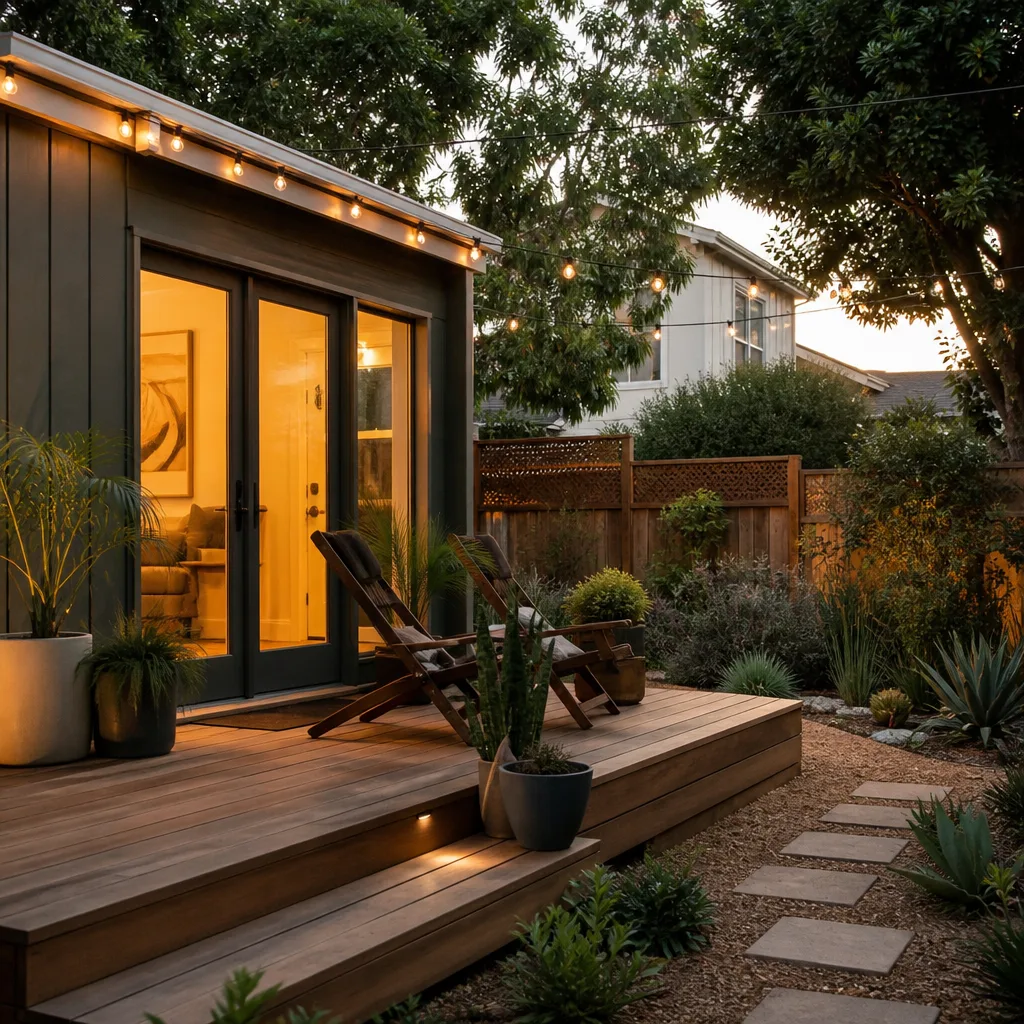
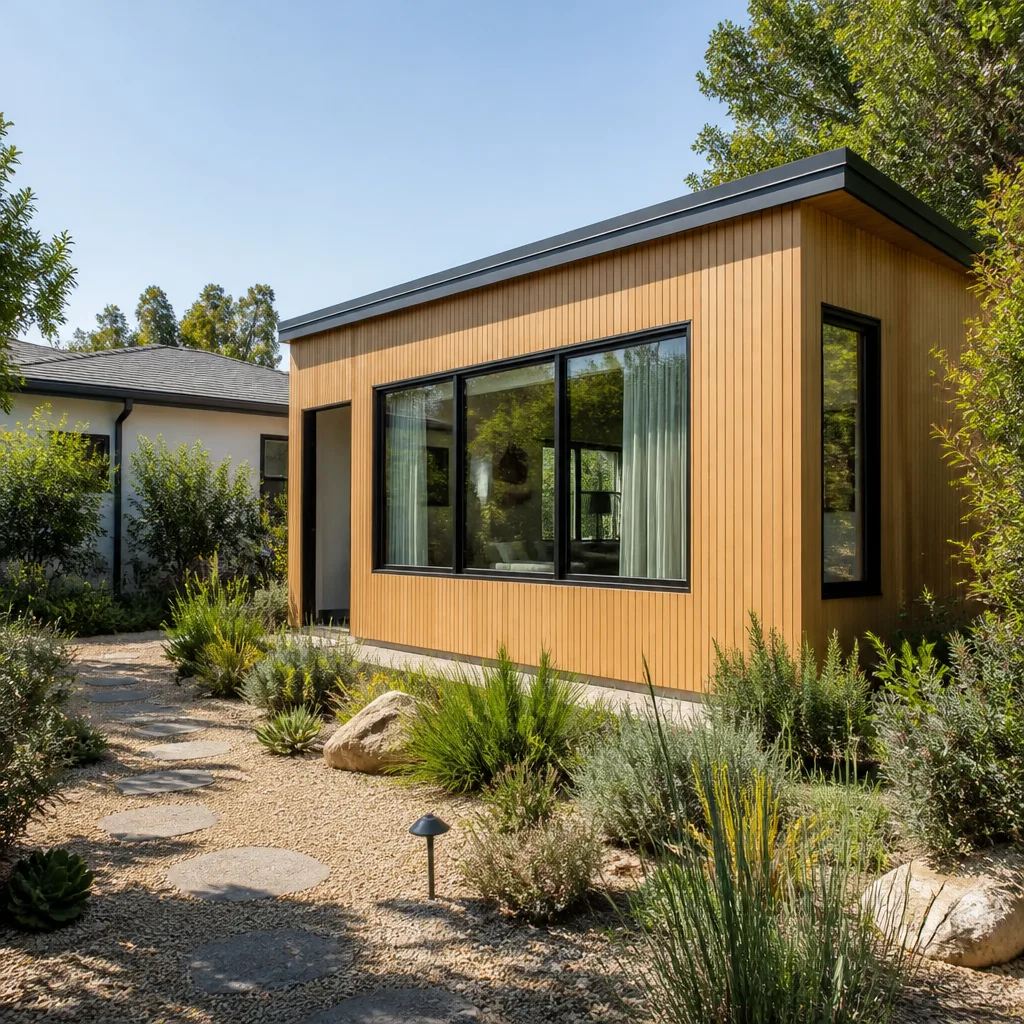
This page is for Whitney homeowners who already own an Abodu product and want to add livable square footage around it, or who need an approved contractor to coordinate the addition with the unit’s existing structure and utility connections. Some of you are adding a wing to the main house and want the Abodu to function as part of the overall footprint. Others want a detached addition next to it. Both are the kind of work we do.
Every price we give is written before any work begins, and the 365-Day Done Right Promise covers defects in workmanship for one full calendar year from project completion. Call (844) 797-4814 to schedule a free estimate.
How Abodu Products Fail – and How We Fix Them
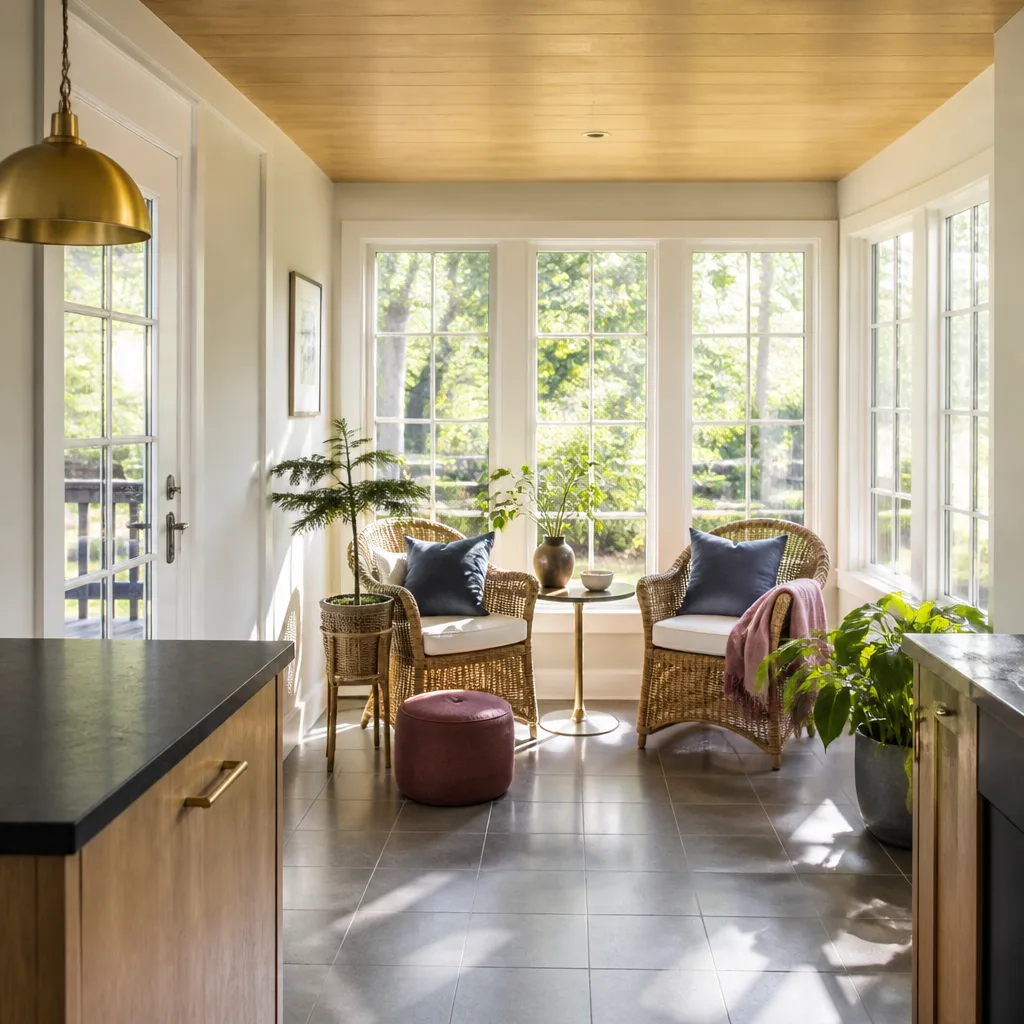
We’ve been working on Abodu units since the product line became common in Southern Nevada, and the failures we see in Whitney aren’t the ones a manufacturer’s warranty page talks about. They’re the ones that show up when an Abodu meets a Whitney summer. Here’s what we actually find.
- Foundation settling at the utility penetration points (common across the Abodu 320, 500, and 610 series). Whitney’s caliche-heavy soil expands and contracts with the monsoon swings, and the narrow slab penetrations where plumbing and conduit enter the unit are the first place settling shows up. Owners notice a door that won’t close clean or a floor squeak near the entry. The fix is re-leveling the affected shim points and sealing the penetrations, not rebuilding the unit.
- Vapor barrier and subfloor moisture at the perimeter (most common on the Abodu 500 series). Whitney sits in a zone where the summer ground moisture wicks up against the shaded north and east sides of a prefab. The tell is a swollen baseboard or a faint musty smell after August. We pull the affected perimeter panels, verify the barrier, and reinstall with a proper vapor break – it doesn’t require touching the structural frame.
- Cladding separation at the panel seams (all Abodu lines, especially with the original James Hardie trim). The seam joint is designed for a different climate’s thermal movement. Whitney’s 100-degree-plus summer-to-night swing works the joint loose over a few seasons. We reseal and re-flash the seam with a system that accommodates the local expansion rate, which is a different material spec than what ships standard.
- Electrical load conflicts when you add onto the unit (the most common reason an Abodu owner calls us). The Abodu panel was sized for the unit’s loads, not for a room addition drawing from the same feed. We assess the panel before we touch anything – if the added load pushes past the existing capacity, the addition needs its own subpanel or an upgraded service. That’s a permit-and-inspection job, and we pull it.
- Roof-to-addition tie-in leaks (only a problem once an addition is framed against the Abodu wall). Where the new addition roof meets the Abodu’s existing roofline, the flashing detail has to account for both structures moving independently. A standard roof-to-wall flashing from a general contractor will leak in Whitney’s first heavy monsoon. We use a two-stage flashing that lets the two structures flex separately.
If you’re considering a Cover or a Dvele unit in the same footprint, the failure modes differ – Cover’s panel system handles thermal movement better but its site-tie details are fussier, and Dvele’s steel frame changes how you flash and anchor an addition at the wall. We’ll be honest with you about which product line fits your lot, not just what we can sell you.
Our Abodu Room Addition Contractor Process
Here’s how an Abodu-related addition actually runs, start to finish, on a Whitney property.
- 1
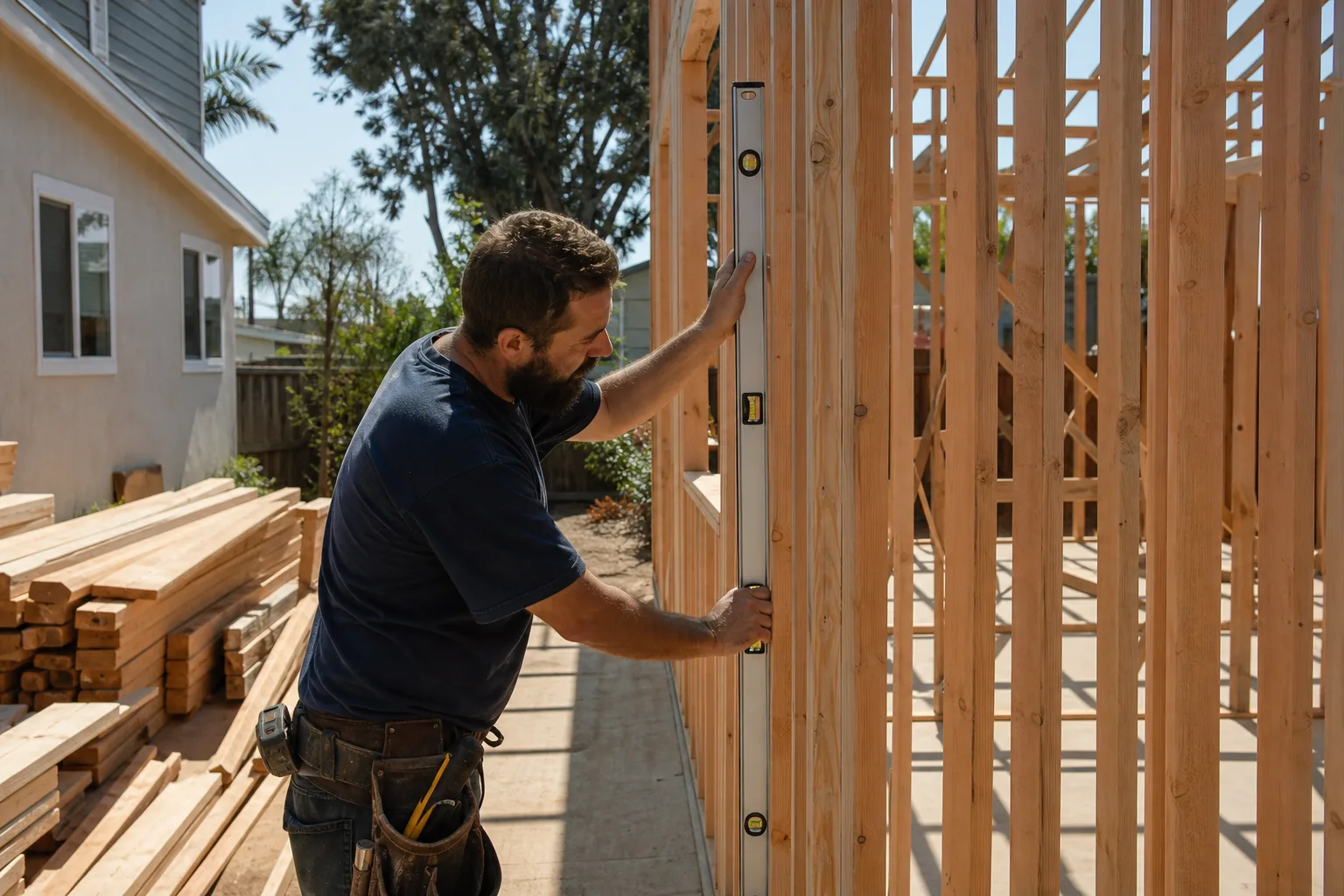
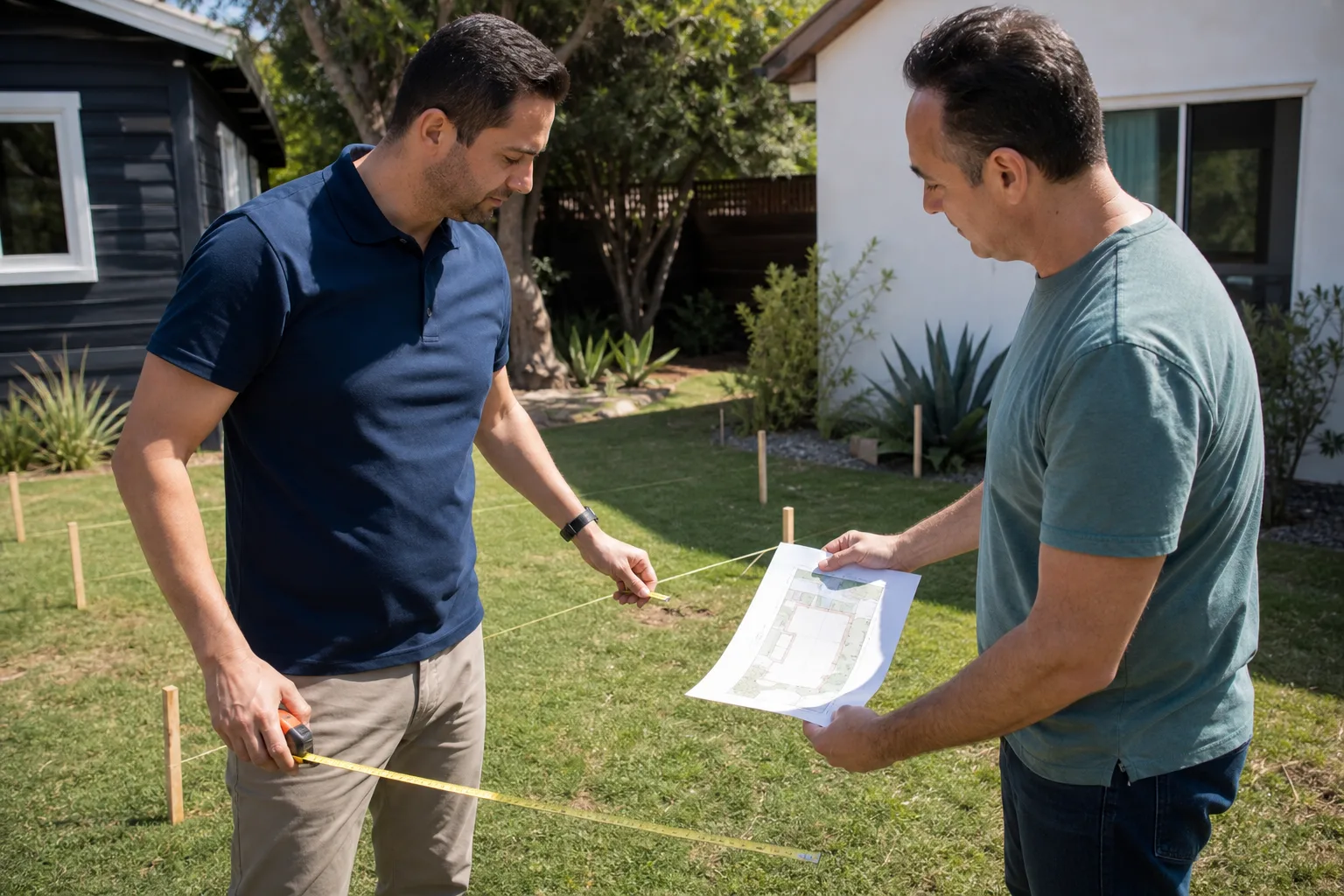
On-site assessment. We walk the lot, measure the Abodu unit’s existing structure, check the foundation and utility penetrations, and photograph everything. We identify the panel capacity, the grading, and the setbacks – the required gap between your new structure and the property line – before we quote.
- 2
Written price and scope. You get a line-item written price before any work begins. No surprise invoices, no scope creep passed silently to the bill. If a permit is needed (most Whitney room additions require one), the permit is in the quote and we pull it.
- 3
Parts decision. Where the Abodu needs a component replaced, we tell you the OEM option and the quality aftermarket option side by side, with the trade-off in plain terms – the OEM part matches the original spec but can take longer to source, the aftermarket part is available sooner and often holds up better in this climate. You choose.
- 4
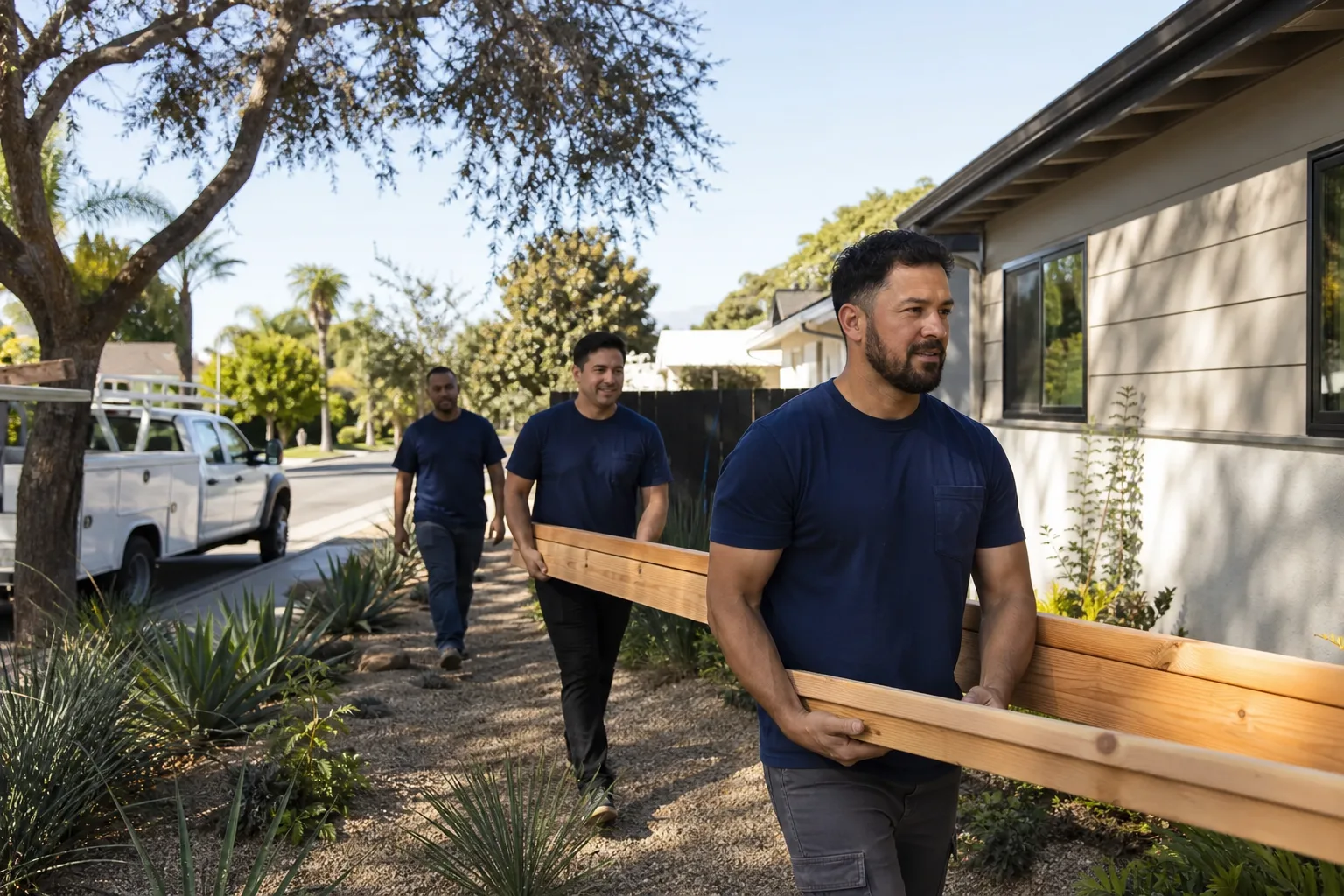
The build. Every technician is background-checked and identity-verified under The Threshold Standard. Their name and photo go to you before the visit, and they show a photo ID badge at the door.
- 5
Inspection and test. We test the addition’s electrical, plumbing, and the roof tie-in before we call it done. Whitney-area inspections get scheduled and passed before we hand back the keys.
- 6
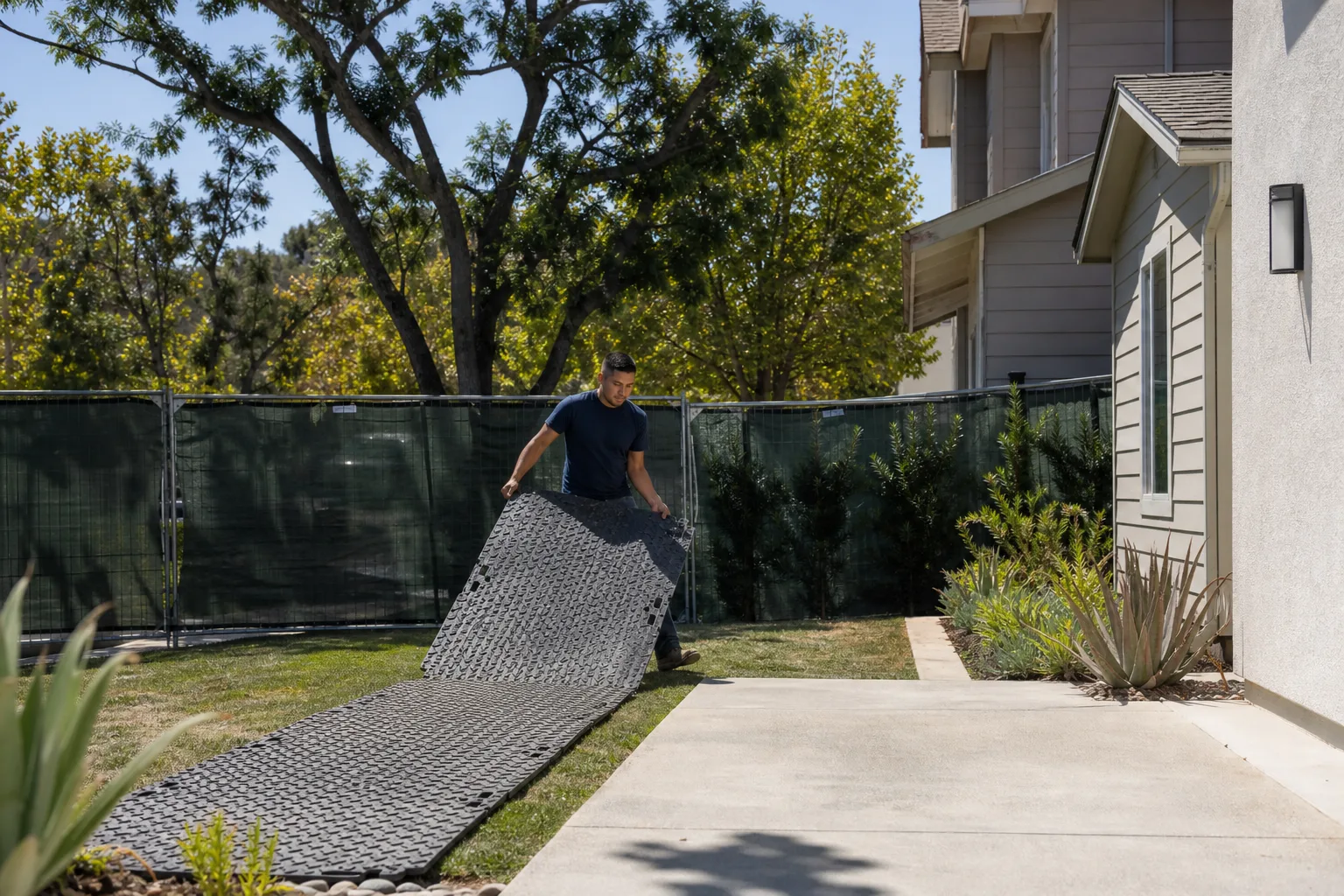
Cleanup and the promise. We leave the site clean, then the 365-Day Done Right Promise applies: if the work isn’t right within a full year, we make it right, and the free second visit is included if any element of the build fails.
What Abodu Room Addition Contractor Costs in Whitney
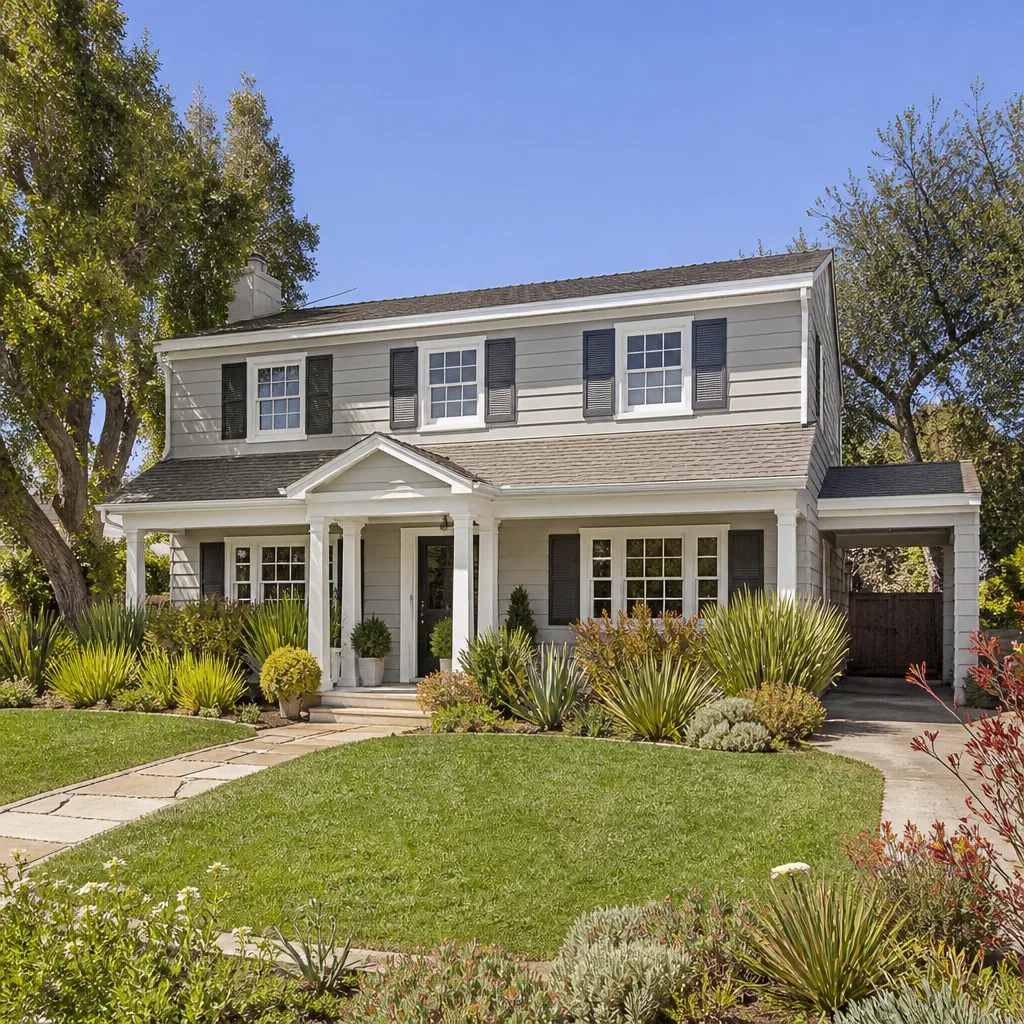
Every project is different, but here’s what our Whitney work actually runs, so you can self-qualify before you call. These are ranges, not quotes.
| Scenario | Typical range |
|---|---|
| Foundation re-level and utility penetration repair on an existing Abodu | $3,500 – $9,000 |
| Perimeter vapor barrier and subfloor remediation | $2,800 – $7,500 |
| Cladding seam reseal and re-flash (James Hardie system) | $2,200 – $6,800 |
| Electrical subpanel or service upgrade for an addition | $4,500 – $12,000 |
| Framed room addition tied to an Abodu wall (per square foot, site work separate) | $280 – $480/sq ft |
| Roof-to-addition two-stage flashing detail | $1,800 – $5,500 |
What moves the price: the condition of the existing slab, whether the panel needs upgrading, the permit and inspection scope, and how much excavation the Whitney soil requires at the tie-in point. A clean lot with a sound slab lands at the low end. A lot with caliche and an undersized panel lands higher. Call (844) 797-4814 for an exact quote – estimates are free.
Why Whitney Homeowners Call Sutton ADU Builders Whitney for Abodu Work
We founded in 2006 as the ADU-specialist member of the Threshold Group, and we’ve spent the years since figuring out what actually goes wrong on a prefab when it meets a real climate. Our technicians have up to 20 years of experience, and the ones who work on Abodu units know the 320, 500, and 610 series well enough to diagnose a symptom by what the owner describes on the phone.
The 365-Day Done Right Promise is a named, written guarantee stamped on every project – not a verbal assurance. If the work isn’t right within a full year, we make it right, and the second visit is free if any element fails.
What sets us apart for Whitney owners is knowing exactly who’s coming. Every technician is background-checked and identity-verified under The Threshold Standard, and their name and photo reach you before they arrive. They show a photo ID badge at the door, in a clean, marked uniform, every time. A live person answers every call, 24 hours a day, when you have a time-sensitive question about your build.
And if your unit is a Cover or a Dvele, or you’re deciding between product lines, we know those too. The answer to which one fits your lot is honest, not the one that sells easiest.
FAQs
It can, if the work touches the structural frame in a way Abodu’s warranty terms prohibit. We’re an independent Abodu service provider, not authorized by Abodu, and we flag exactly which parts of the build need to stay warranty-safe before we quote. Call (844) 797-4814 for a free estimate.
Yes, for most components. We’ll give you the OEM option and a quality aftermarket option side by side and explain the trade-off. OEM matches the original spec but can take longer to source in Whitney; aftermarket is often available sooner. Call (844) 797-4814 to talk through your specific part.
Repair, in most cases. We’ve seen a handful of units in Whitney where replacement made sense, and they were ones with structural frame damage – which is rare. Foundation, vapor barrier, cladding, and electrical issues are all fixable, and repairing is almost always the lower-cost path. Call (844) 797-4814 and we’ll tell you honestly.
A repair-only job can be done in a few days. A framed addition tied to an Abodu wall runs longer, typically several weeks depending on permit and inspection scheduling. We build the schedule into the written price before work begins. Call (844) 797-4814 for a free estimate.
Yes. Most Whitney room additions require a permit and inspection, and we pull it and schedule the inspection as part of the job. The permit is in the written quote, not a surprise later. Call (844) 797-4814 to schedule your free estimate.
Schedule Your Free Abodu Room Addition Estimate in Whitney
If you own an Abodu in Whitney and you’re ready to add square footage, or you need the unit itself made sound before you build around it, call (844) 797-4814. You’ll get a written price before any work begins, a technician whose name and photo you have before they arrive, and the 365-Day Done Right Promise covering the work for a full calendar year. Estimates are free, and we’ll tell you the honest answer about which product line and which repair path fits your lot.
Written by the team at Sutton ADU Builders Whitney, serving Whitney and nearby areas.