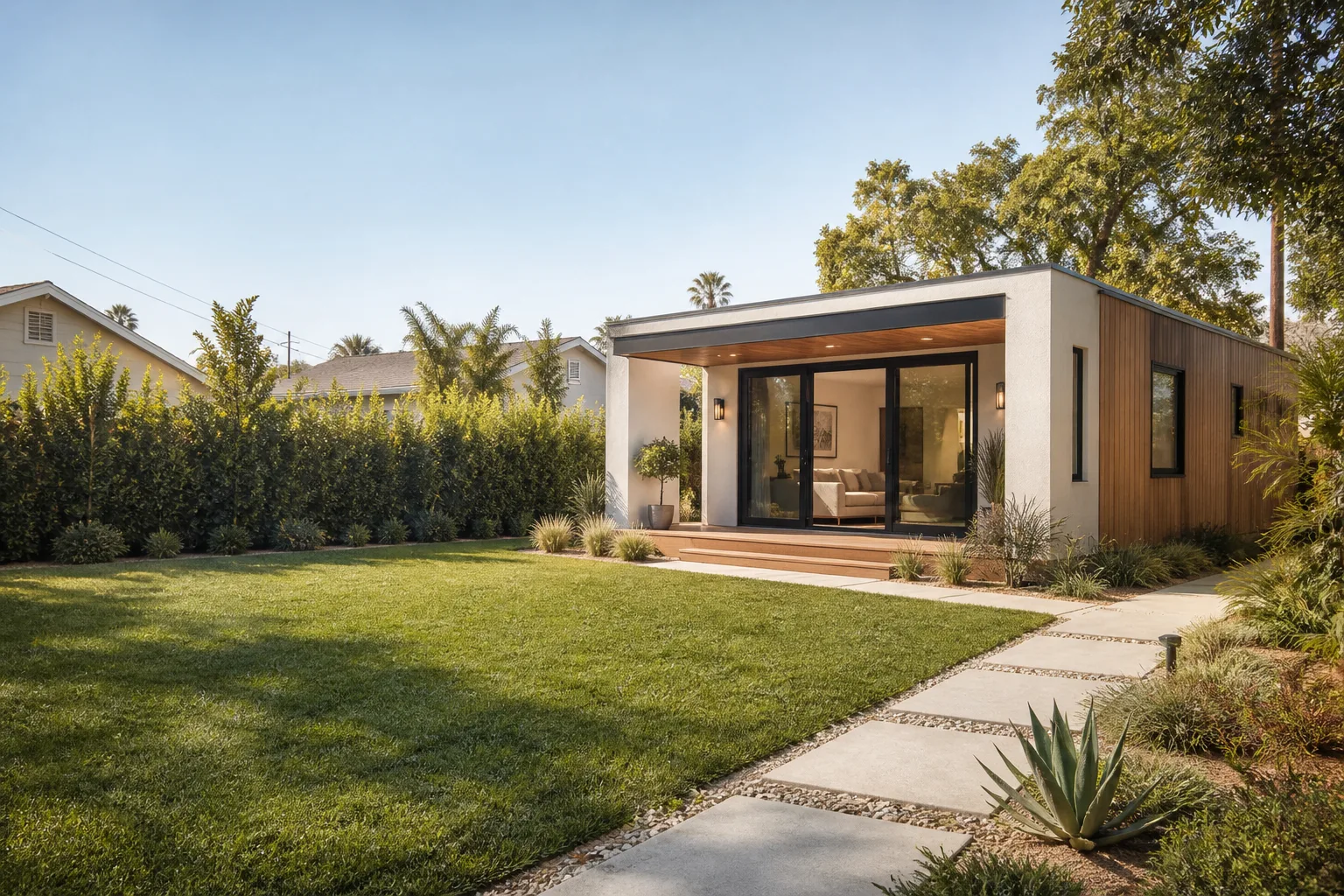

Cover Junior ADU Conversion: The Whitney Owner’s Guide
A Cover junior ADU conversion in Whitney typically runs $18,000 – $42,000 installed, depending on which Cover series you own and how much of the existing pad, utility stub-outs, and tie-in work can be reused. We handle these as planned projects, not emergency drop-ins, and most Whitney installs are scheduled within two to three weeks of a signed written price. The conversion is the package that turns a bare Cover structure into a livable junior unit: the interior fit-out, the utility connections, the finish layers, and the weather-sealing that a Nevada lot demands.
Owners usually discover the problem the same way. A door that used to close flush starts catching at the top corner. The mini-split runs longer each summer and never quite catches up. A soft spot appears near the threshold after a monsoon week. Or the utility trench settles and the conduit pulls loose at the foundation edge. In Whitney, where summer highs push past 105°F and the winter overnight lows still dip toward freezing, those small failures compound faster than most homeowners expect.
Which Cover Models This Applies To
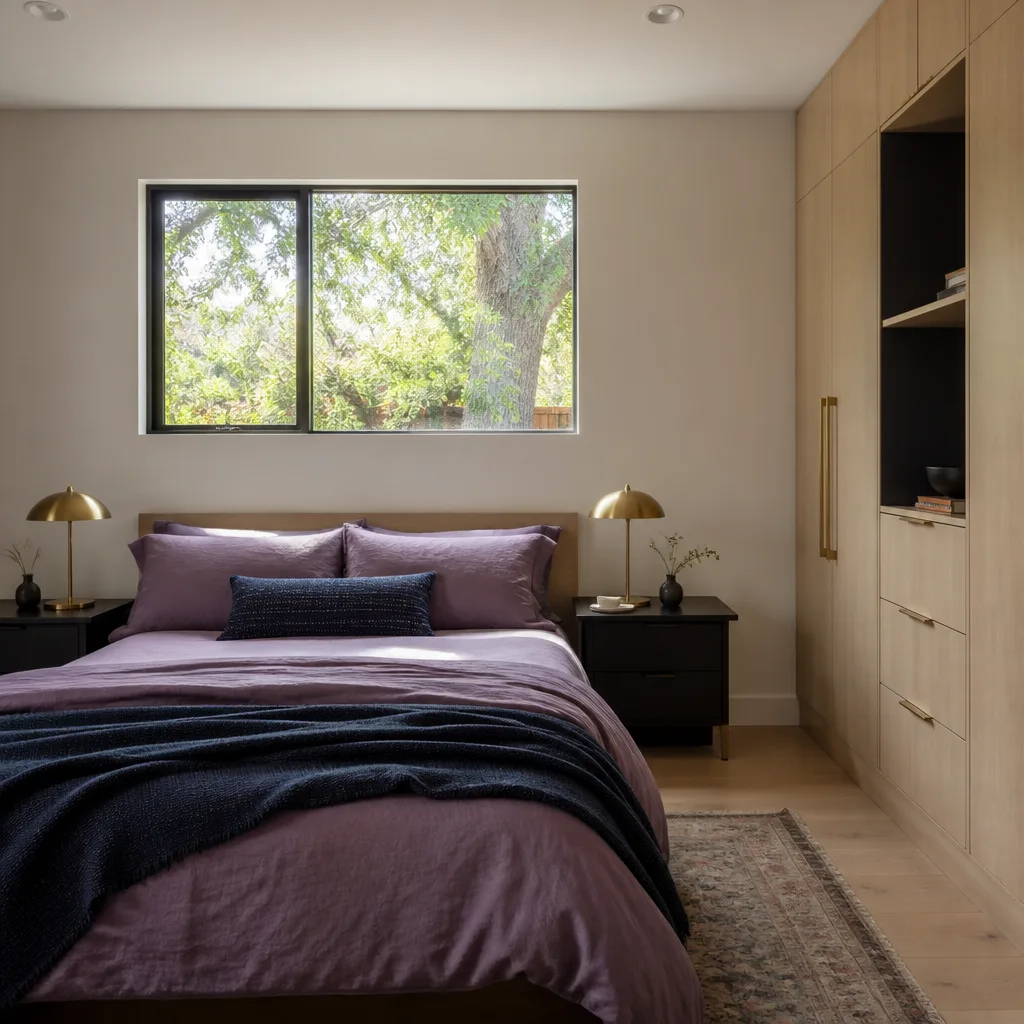
Cover builds its junior units around a small number of structural series, and the conversion package is not one-size. The panel dimensions, the door and window rough openings, and the utility penetration points differ between the earlier single-module series and the later split-panel models. Before we quote anything, we confirm your series from the data plate inside the unit, usually near the door frame or on the electrical panel cover, and we measure the actual rough openings rather than trusting the spec sheet. Cover has revised its panel profiles more than once, and a conversion kit cut for one revision will not seat cleanly on another.
The OEM-versus-aftermarket decision matters here more than on most parts. For the structural tie-ins and the weather-seal system, we use Cover-specified components because the tolerances are tight and a generic gasket will leak within a Nevada summer. For the interior fit-out, the electrical devices, the insulation, and the finish materials, quality aftermarket equivalents are often better and cheaper than the OEM catalog. We tell you which is which in the written quote so you can see exactly where the money goes. We’re an independent service provider and not affiliated with Cover, so our only loyalty is to what actually fits your unit.
Signs Your Cover Junior ADU Conversion Is Failing
Most failures show up as one of these five symptoms. Each points to a specific cause, and catching it early usually keeps the repair in the hundreds instead of the thousands.
- Doors and windows that stick or won’t latch. The structure has shifted on its pad, usually from soil movement after a wet winter. In Whitney, expansive clay soils swell and shrink with the seasons, and a conversion that wasn’t shimmed for that movement will bind at the frame.
- Condensation or dampness along the floor edge. The weather-seal layer at the base has failed or was installed without a proper capillary break. Once water wicks under the threshold, the subfloor and the bottom plate are the first things to go.
- The mini-split short-cycles or can’t hold temperature. The envelope has lost its seal, either at a panel joint or around a penetration. A conversion with air leaks will run the equipment hard all summer and still feel clammy.
- Visible gaps or hairline cracks at panel seams. The tie-in hardware has loosened, often from thermal cycling between 105°F afternoons and cold desert nights. Left alone, the gap widens and the seal fails completely.
- Conduit or plumbing pulling away at the foundation edge. The utility trench has settled. This is common on Whitney lots where the backfill wasn’t compacted in lifts, and it can stress the connections at the unit.
Replacement Cost & What’s Included
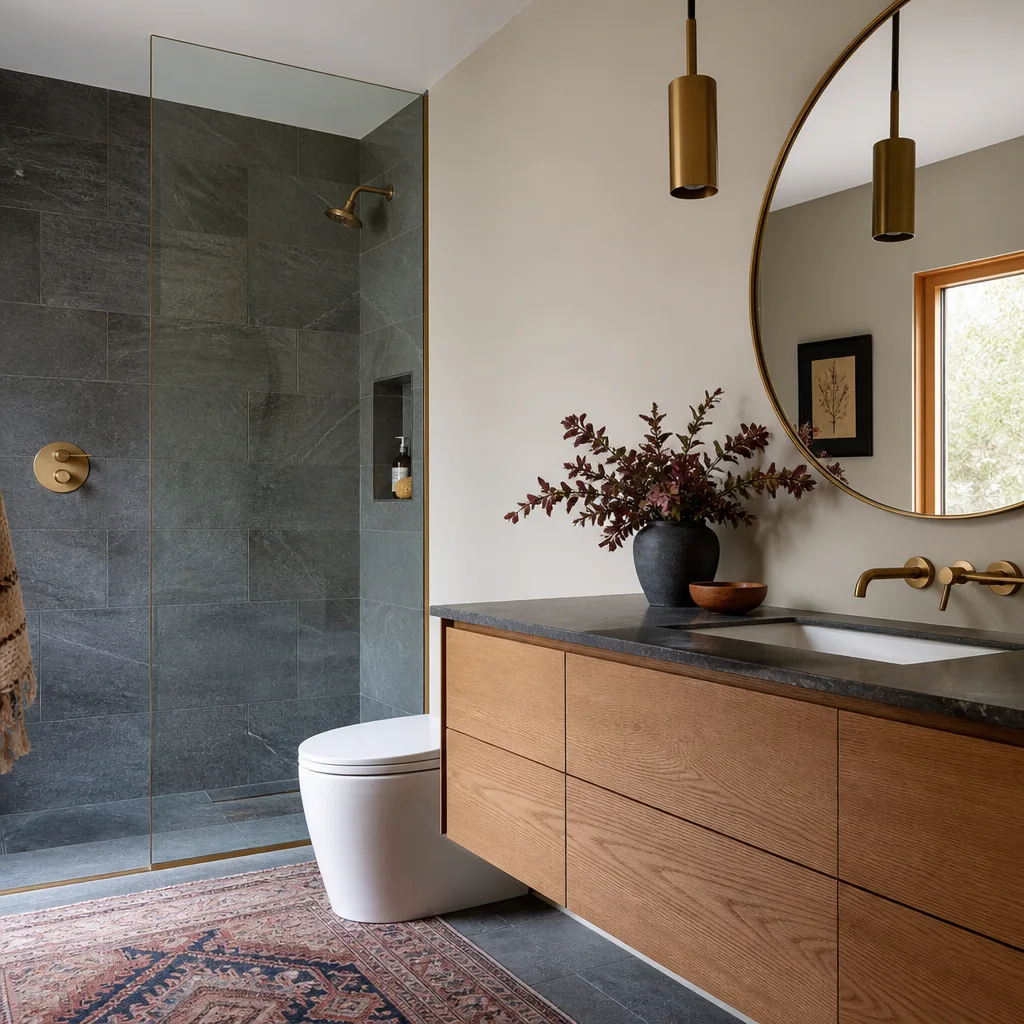
For a Whitney junior ADU conversion, most homeowners land in the $18,000 – $42,000 installed range. A straightforward fit-out on a sound pad with existing utility stubs sits near the low end. The high end covers a full re-seal, new interior finish layers, corrected utility tie-ins, and repair of settled trench work. The written price breaks out material and labor line by line, so you can see the parts cost and the install cost separately rather than a single lump figure.
What drives the range: your Cover series and whether the rough openings match current components, the condition of the pad and trench, how much of the original finish can be salvaged, and whether the electrical service needs an upgrade to carry the unit. We don’t do change orders passed silently to the bill. If we find something the original quote missed, you get a written revision and a conversation before any work continues. Every conversion carries the 365-Day Done Right Promise, which covers defects in workmanship for one full calendar year from completion. If any element of the build fails inside that year, we come back at no charge.
DIY or Call Us?
There’s a short list of things you can safely check yourself. Confirm the data plate series and photograph it. Measure the door and window rough openings. Look for daylight at panel seams and run a hand along the floor edge for dampness. Note where the mini-split is struggling and whether the conduit sits flush at the foundation. That information helps us quote accurately, and we appreciate a homeowner who’s already done the homework.
Where DIY goes wrong is at the utility tie-ins and the structural connections. Working inside a panel or re-seating a conduit that carries line voltage is genuinely dangerous, and a mis-set seal or a tie-in torqued to the wrong spec will fail again within a season. Those are the parts we handle, and we handle them with technicians whose names and photos reach you before the visit. If you’re unsure whether a symptom is cosmetic or structural, call (844) 797-4814 and describe it. We’ll tell you plainly whether it needs a visit.
FAQs
A properly installed conversion should hold its seal and structural tie-ins for 20 to 30 years, but the NV climate shortens that if the base seal and the utility trench weren’t done right. The desert swing between 105°F summers and freezing winter nights is hard on gaskets and shims, so we spec components rated for that range rather than the mild-climate defaults. Call (844) 797-4814 for an assessment of your unit’s remaining life.
Yes, often. A failing door seal, a loose panel joint, or a settled trench can usually be repaired without tearing out the whole conversion, and repair is almost always the cheaper path when the structure itself is sound. We diagnose first and only quote a full replacement when the subfloor or the tie-in hardware is beyond salvage. Call (844) 797-4814 to find out which side of that line your unit is on.
A targeted repair is usually a single-day visit, while a full conversion install on a Whitney unit runs three to six working days depending on the utility work and finish layers. We schedule these as planned projects with a written start window, not a same-day promise. Call (844) 797-4814 to get your window on the calendar.
We source Cover-specified structural and seal components through authorized channels for your exact series, and we use quality aftermarket equivalents for the interior fit-out where they’re better and cheaper. We don’t stock parts on a truck, so every component is ordered to your unit’s spec after we confirm the series and measurements. Call (844) 797-4814 and we’ll walk you through what your quote includes.
If your Whitney junior ADU conversion is showing any of these symptoms, the sooner we look at it the smaller the repair. Call Sutton ADU Builders Whitney at (844) 797-4814 for a free estimate. You’ll get a written price before any work begins, a technician whose name and photo reach you before the visit, and the 365-Day Done Right Promise backing the result. We also work with Abodu and Dvele product lines, so whatever your lot and budget call for, we can give you an honest read.
Written by the team at Sutton ADU Builders Whitney, serving Whitney and nearby areas.