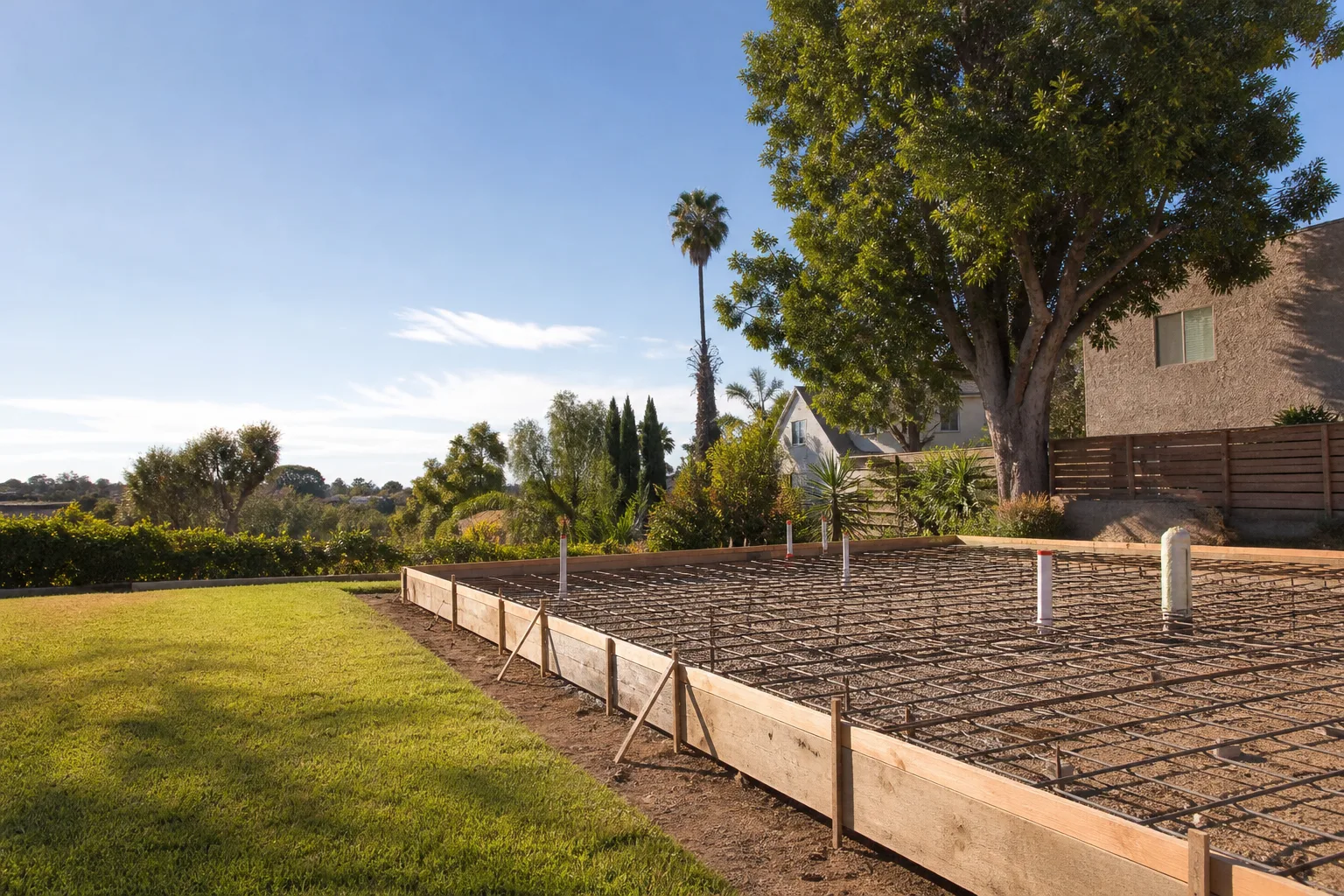

Abodu Site Prep & Utilities: The Whitney Owner’s Guide
We handle Abodu-compatible site prep and utilities work in Whitney, and most full utility hookups for an Abodu unit run $8,500-$24,000 installed depending on trench distance, panel capacity, and whether your lot needs grading or a retaining solution before the pad goes down. Utility trenching, pad prep, and connection coordination for a standard Abodu install can often be scheduled within a week of an approved written scope in the Whitney area. Homeowners usually don’t discover a problem until the unit is sitting on the pad and the panel won’t carry the load, the sewer line can’t hold grade, or the first monsoon season sends water under the structure.
Which Abodu Models This Applies To
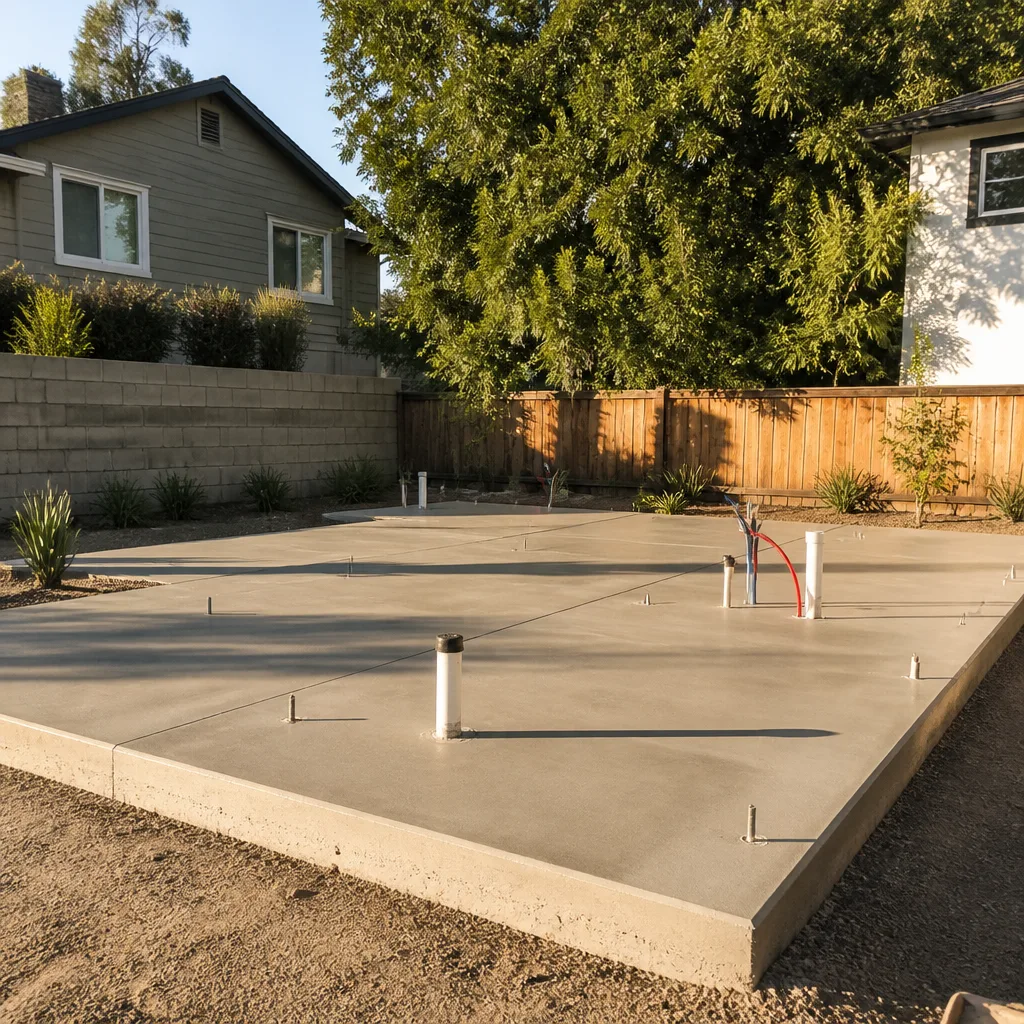
Abodu builds a few lines, and the site prep and utility demands shift with each one. The 500-square-foot one-bedroom and the 610-square-foot two-bedroom models both need a dedicated 100-amp feed in most jurisdictions, but the two-bedroom’s added mini-split load and hot water demand can push the service calculation past what an older Whitney panel will support without an upgrade. The larger two-bedroom and the Junior ADU conversions each change the trench layout and utility routing. Before you price anything, get the model name, the serial tag location (usually inside the utility chase or on the frame rail), and the electrical load sheet Abodu ships with the unit. That load sheet is the single most important document for utility sizing, and it’s the one most homeowners misplace.
On the OEM-versus-aftermarket question: the electrical panel, disconnects, and utility connections aren’t Abodu-proprietary. A licensed electrician can spec standard components that meet code, which usually saves money. The one part we never substitute is anything tied to the unit’s structural interface or warranty language, so we read the Abodu installation manual before we touch the pad.
Signs Your Abodu Site Prep & Utilities Is Failing
- Breakers trip when the mini-split and water heater run together. That’s a load calculation problem, not a bad breaker. The service was likely sized for a smaller draw than the unit actually pulls.
- Water pooling at the pad edge after rain. Grading or drainage was skipped or underbuilt. In Whitney’s summer monsoon pattern, a pad that sits a half-inch low becomes a bathtub fast.
- Sewer or drain backups that recur. The line was run without adequate fall (slope), so waste doesn’t clear the run. This one only gets worse with time.
- Visible conduit or trench settlement. Backfill wasn’t compacted properly, and the ground is dropping over the utility run. Left alone, that can stress the conduit and the connections inside it.
- Unit feels humid or the floor stays cold. Vapor barrier or under-slab moisture control was missed. Desert soil holds moisture longer than most people expect once a structure covers it.
Replacement Cost & What’s Included
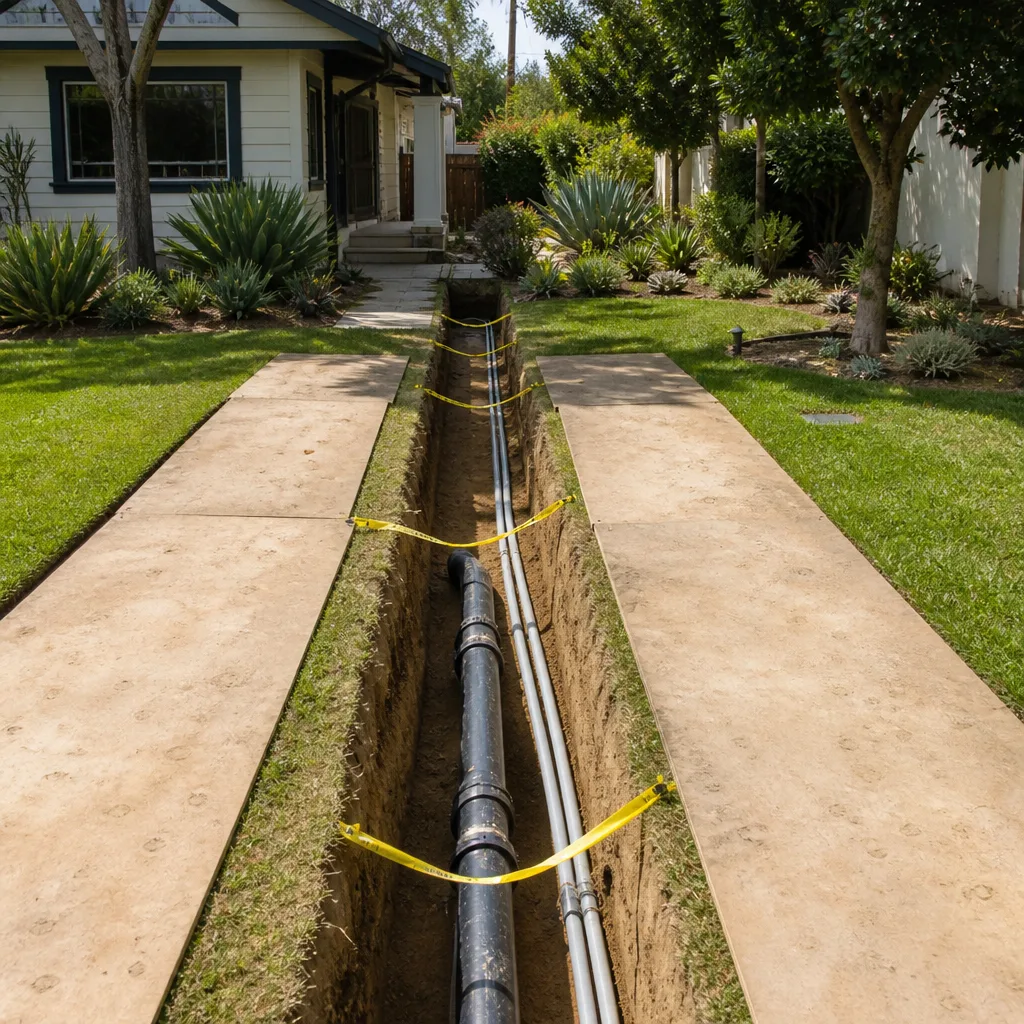
In Whitney, expect these installed ranges for site prep and utility work tied to an Abodu install:
- Electrical service upgrade and connection: $3,200-$9,500
- Water and sewer trenching and hookup (average run): $2,800-$7,400
- Pad prep, grading, and drainage: $2,500-$8,000
- Full utility coordination package (all of the above plus permits): $8,500-$24,000
The range driver is trench distance from the main service and whether your existing panel has capacity. Every quote is written and line-itemed before work starts, no change orders passed silently to the bill. The 365-Day Done Right Promise covers defects in workmanship for one full calendar year from completion.
DIY or Call Us?
You can safely check a few things yourself: confirm the model and serial tag, photograph your existing electrical panel label, and note where water pools after rain. What you shouldn’t do yourself is trench, run conduit, or touch the electrical panel. This work involves buried high-voltage lines, gas and sewer connections, and structural pad grading, and a mistake in any of those is dangerous and often fails inspection. Call us at (844) 797-4814 and we’ll send a Threshold Verified technician, background-checked and photo-badged, with a written scope before anything is dug.
FAQs
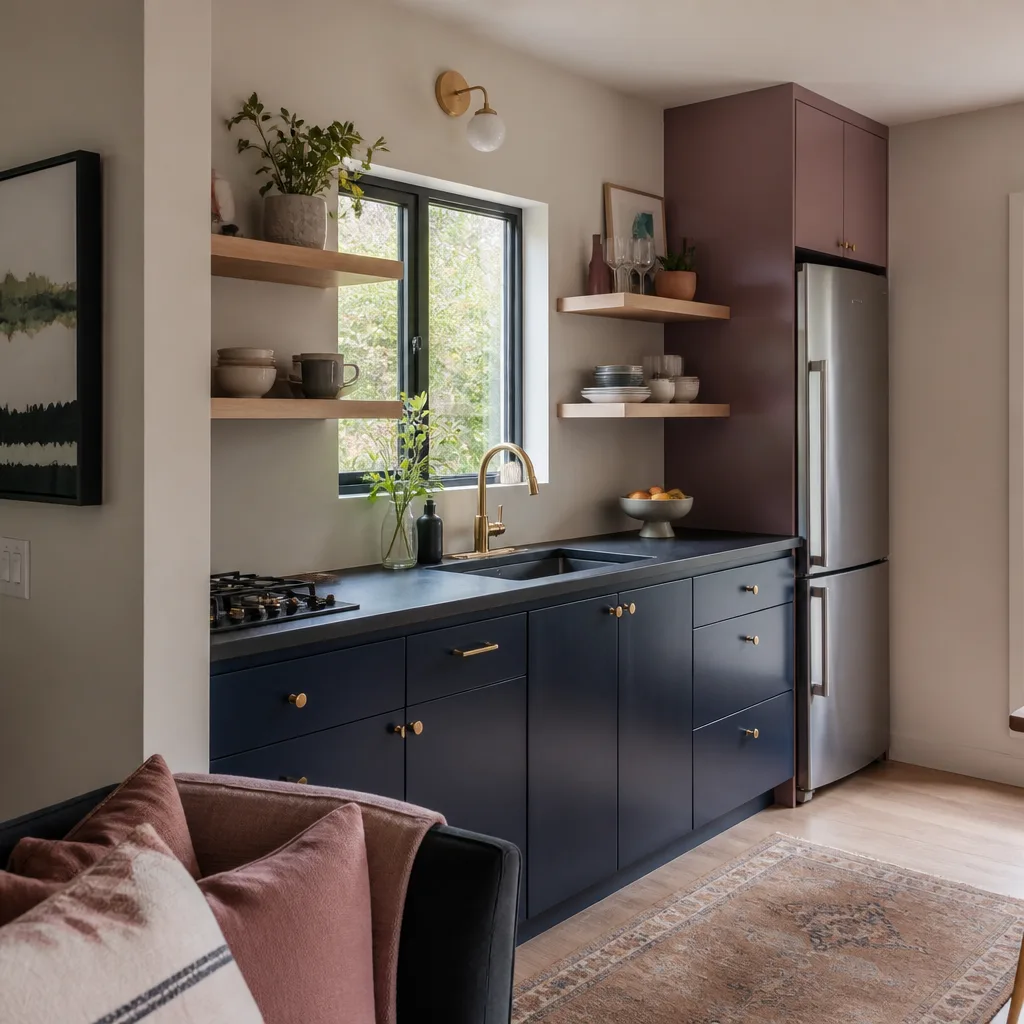
How long does site prep and utility work last on an Abodu in Whitney? The pad and trench work itself typically runs two to four weeks from start to final inspection, depending on permit timelines in Whitney. After that, the Abodu unit can be set and connected.
Can my Abodu utilities be repaired instead of replaced? Sometimes, yes. If the issue is a failed connection or a drainage fix, we can often repair it rather than re-trench the entire run. Call (844) 797-4814 and we’ll tell you honestly which path costs less.
How long does the utility hookup take once the unit is set? The final connection and inspection usually take three to five working days once the unit is in place and the trench is open. We’ll confirm the exact window in your written scope.
How do you source parts for an Abodu site prep job? The electrical and plumbing components are standard trade parts we spec to code and to Abodu’s load sheet. Anything tied to the structural interface comes from Abodu directly. We’ll tell you upfront which is which.
Get a Written Scope Before You Dig
A Abodu install is only as solid as the ground and wires underneath it. We work with Abodu, Cover, and Dvele units and give Whitney homeowners a written price before any work begins. Call (844) 797-4814 for your free estimate.
Written by the team at Sutton ADU Builders Whitney, serving Whitney and nearby areas.