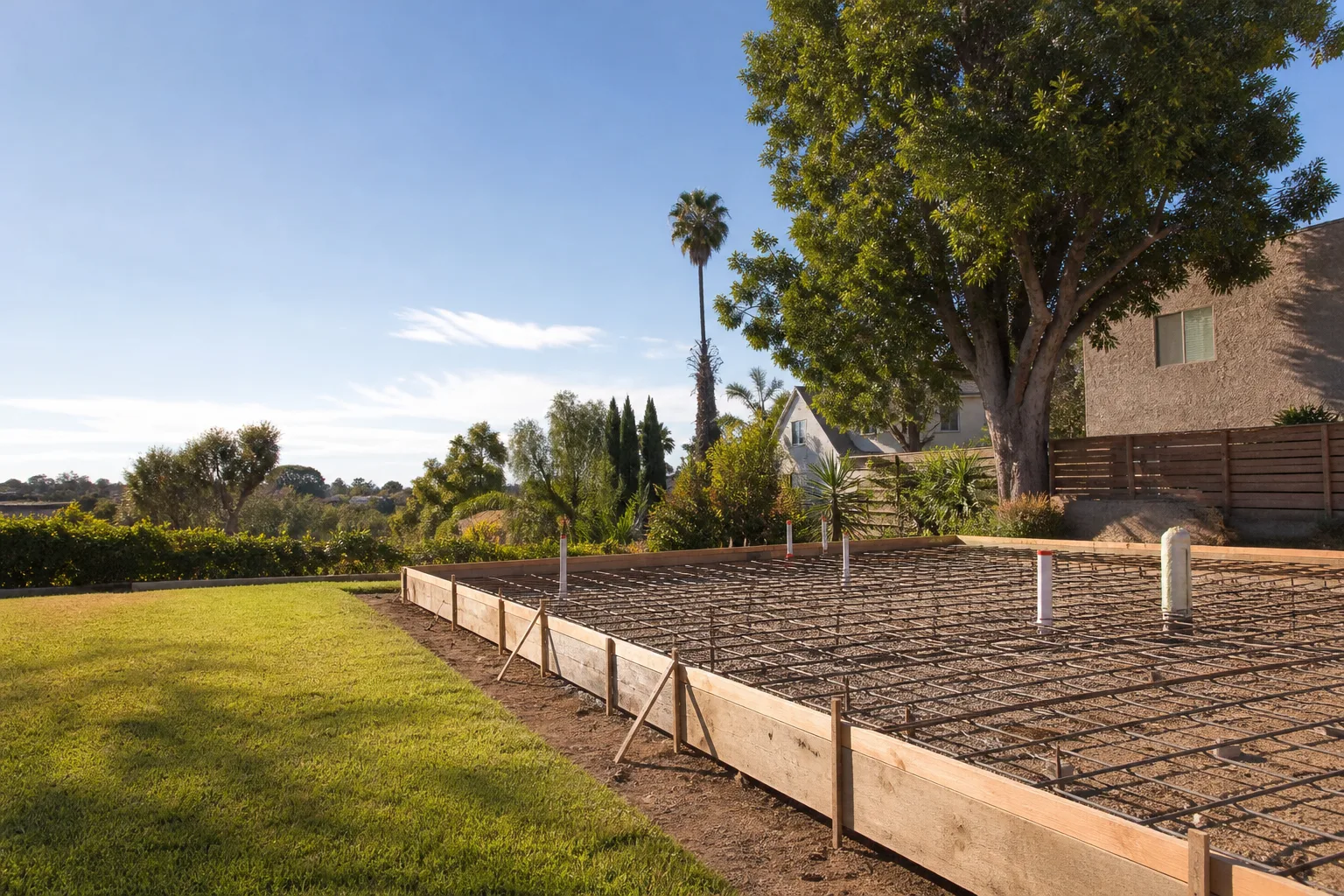

Dvele Site Prep & Utilities in Whitney: The Owner’s Guide
Site prep and utility hookups for a Dvele home in Whitney typically run $18,000 – $46,000 installed, depending on lot conditions, trench distance, and utility district fees, and most projects are scheduled rather than same-day. Owners usually discover a problem here in one of two ways: the factory set date is approaching and the pad or trench isn’t ready, or something fails after move-in, like a slow drain, a flickering circuit, or water pooling against the foundation. Either way, this is the part of a Dvele build that decides whether the modules land on schedule or sit on a truck.
Which Dvele Models This Applies To
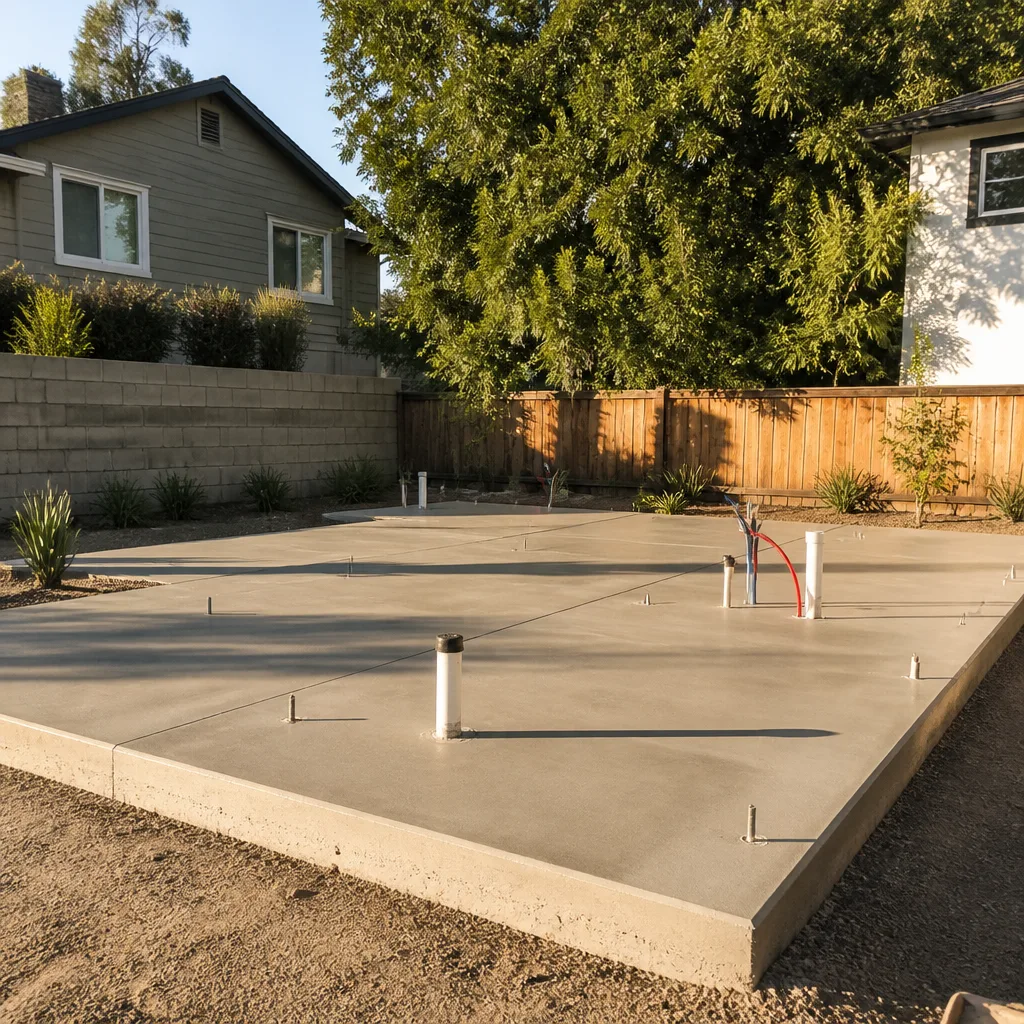
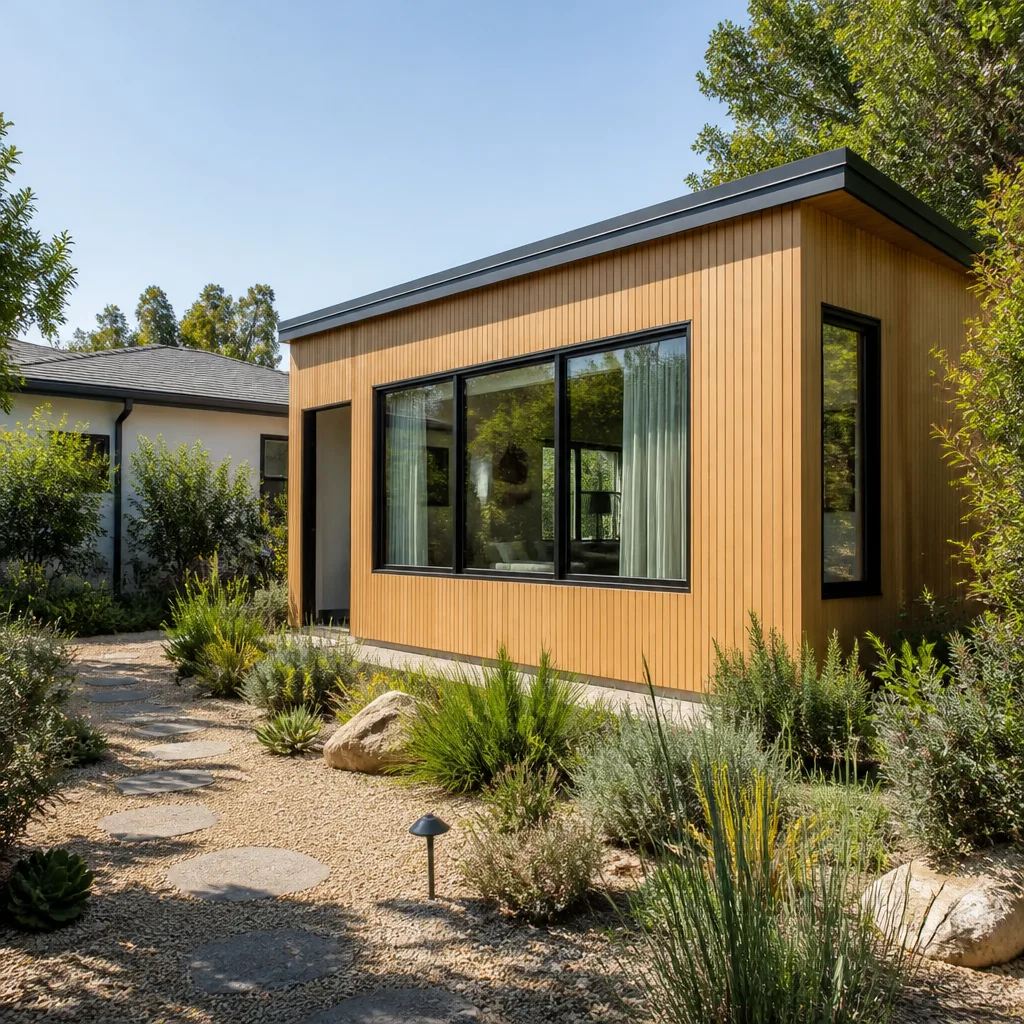
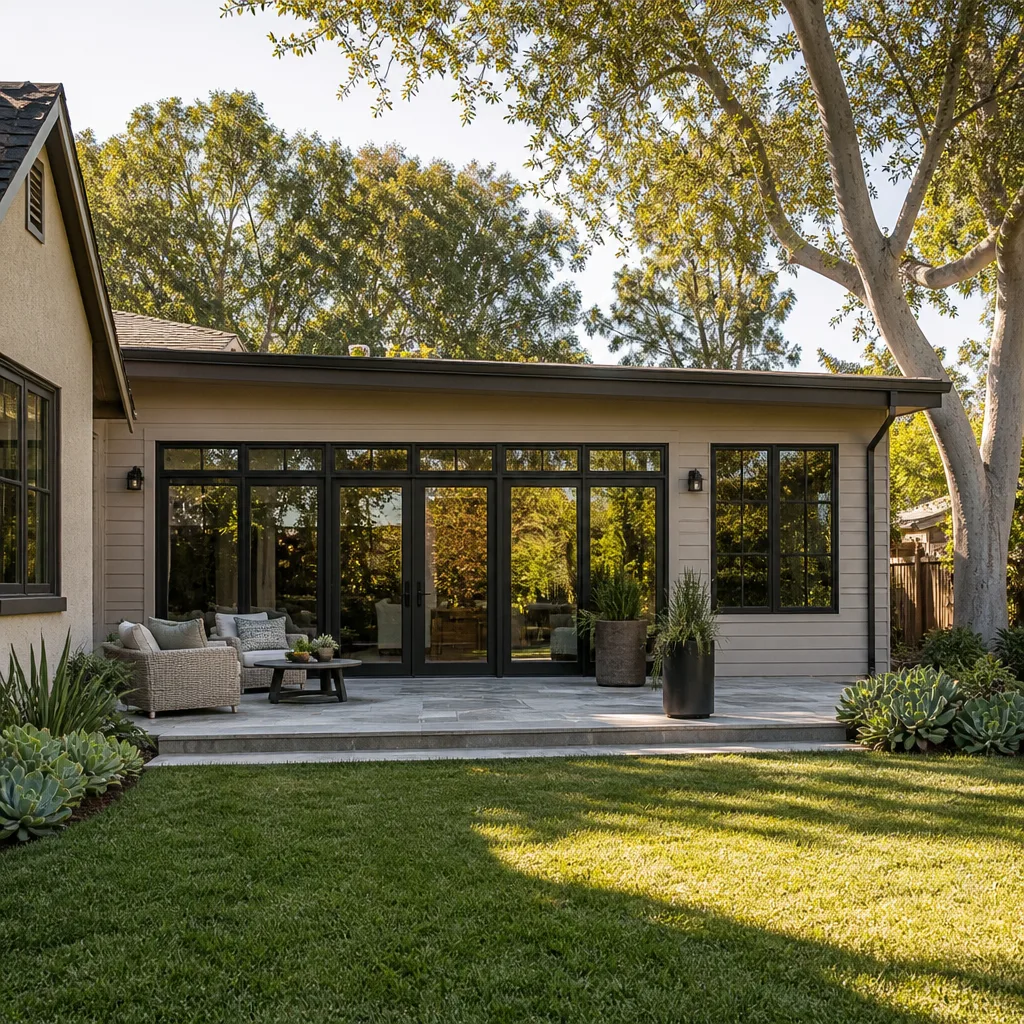
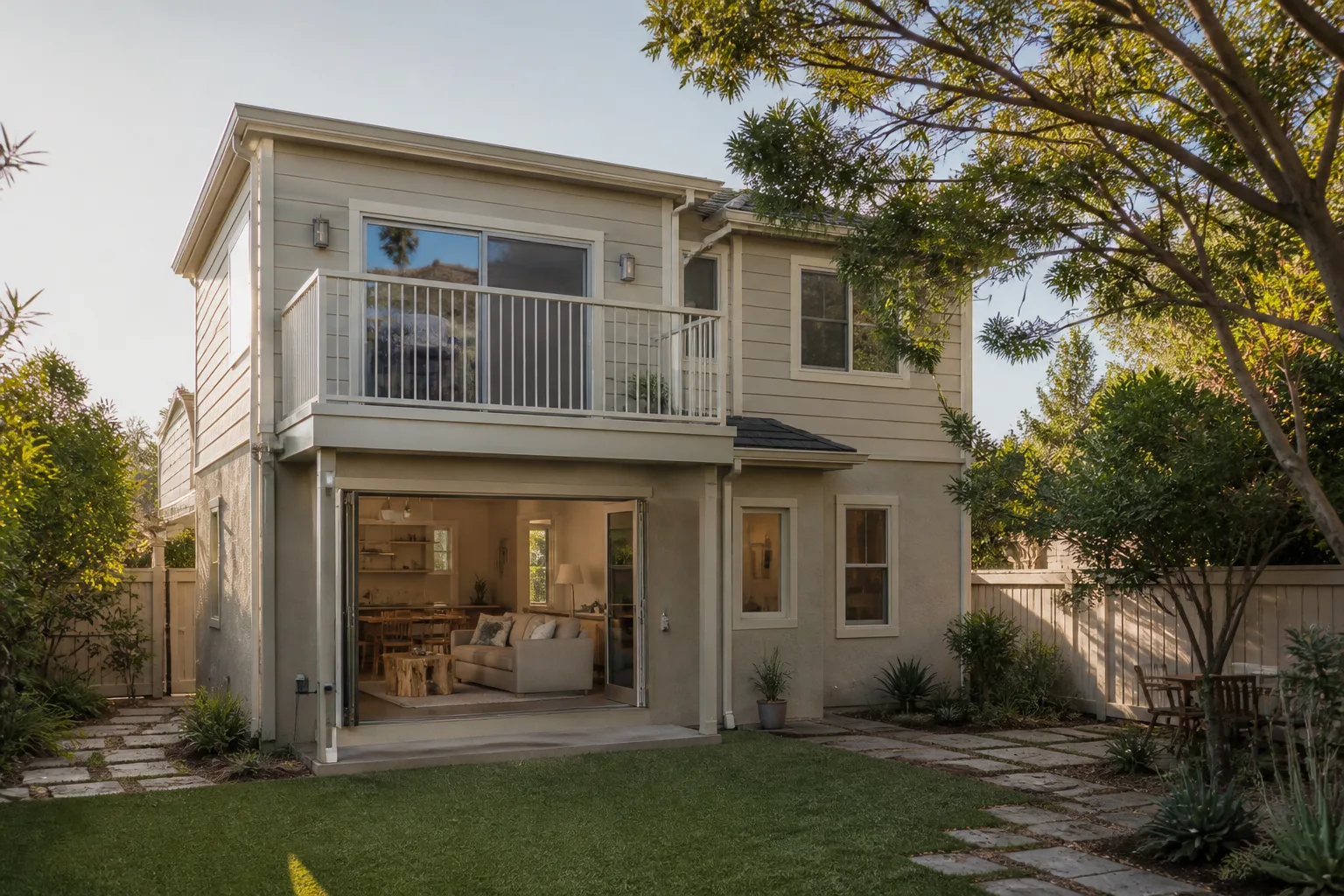
Dvele’s platform spans single-story and two-story configurations, and the site work scales with the unit, not the other way around. A compact one-bedroom needs a smaller pad and shorter utility runs than a two-story with a full kitchen; the foundation engineering, electrical service amperage, and sewer or septic tie-in all change with square footage and fixture count. Before you order anything, find the model designation on the data plate inside the unit (usually near the electrical panel or on the frame rail) and match it to the foundation and utility drawings Dvele supplied with your order.
Dvele ships its own specification documentation for each model, and that’s the document that governs. Generic “ADU foundation kit” products sold online are not a match. The OEM-versus-aftermarket decision is real here: some components, like the electrical panel and the labeled appliance connections, should be replaced with the same part number Dvele specifies. Others, like conduit, PVC, gravel, and rebar, are commodity materials and a quality equivalent is fine. If a supplier can’t tell you which category a part falls into, that’s your answer.
We’re an independent service provider and not affiliated with Dvele. We work with Abodu and Cover units too, and the same documentation-first rule applies across all of them.
Signs Your Dvele Site Prep & Utilities Is Failing
Whitney sits in the Las Vegas Valley, where summer soil temperatures and monsoon-season downpours do predictable things to shallow utility work. Here’s what we see:
- Water pooling against the foundation after rain. Usually grading that was never finished or a downspout discharging too close to the pad. Monsoon runoff finds the low spot fast.
- Slow drains or gurgling fixtures. Often a settling issue in the sewer line or a slope that was set too shallow at the tie-in. This gets worse, not better.
- Breakers tripping when the AC kicks on. Usually undersized service or a loose lug at the panel. Heat accelerates both problems.
- Hairline cracks at the pad edge or visible tilt. Expansive clay soil plus a thin base is the usual cause. Small cracks are cosmetic; movement that keeps going is not.
- Water or sewer smell near the utility trench. A failed joint or a settling pipe. Get it looked at before the ground shifts further.
Replacement Cost & What’s Included in Whitney
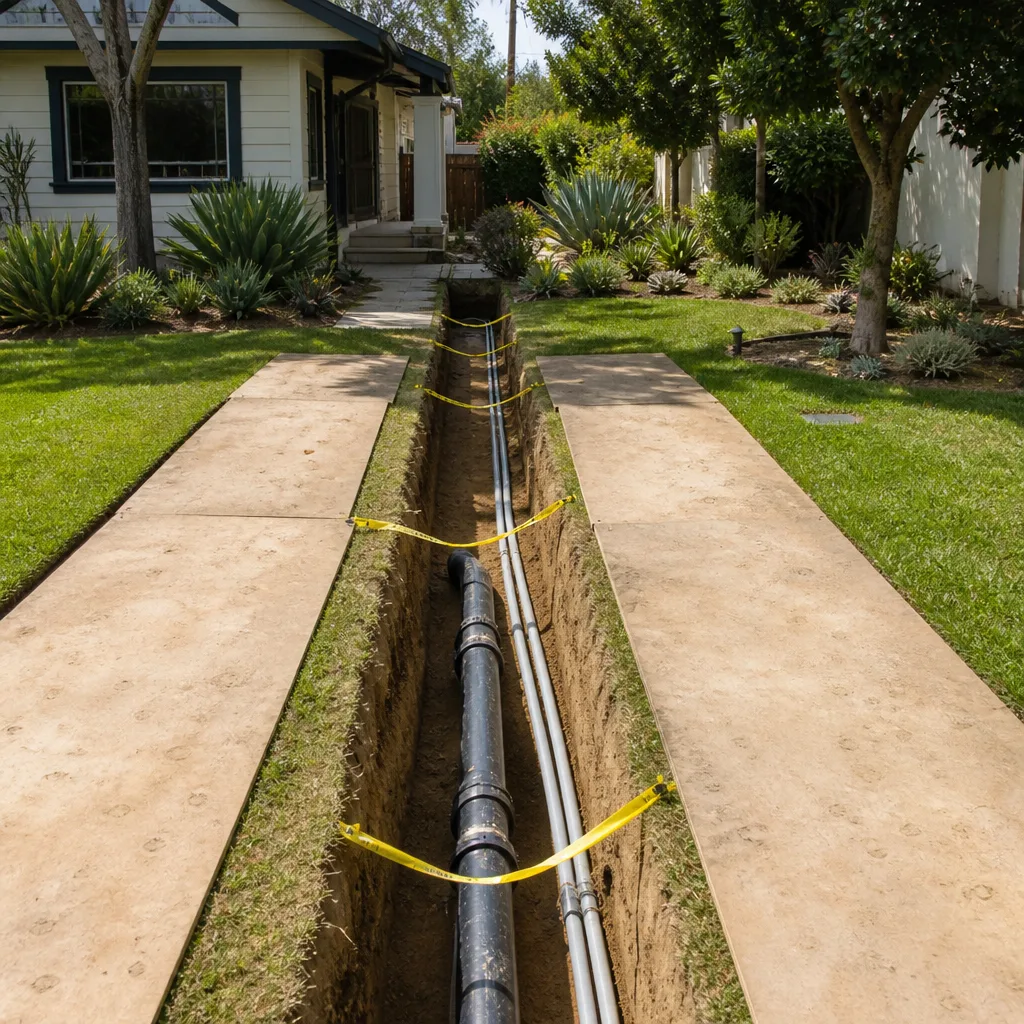
Here’s an honest range for Whitney, quoted written and line-itemized before any work starts:
- Foundation pad repair or re-level: $3,500 – $14,000
- Water line repair or re-route: $1,800 – $9,500
- Sewer or septic tie-in repair: $2,500 – $12,000
- Electrical service or panel correction: $1,200 – $7,800
- Grading and drainage correction: $1,600 – $5,400
What moves you within a range: trench length, whether the ground has to be opened, permit fees from the local utility district, and access. Every price we give includes parts and labor, and it’s written down before the first tool comes out. The 365-Day Done Right Promise covers defects in workmanship for one full calendar year from project completion, and if an element fails we come back at no charge.
DIY or Call Us?
You can safely check a few things yourself: look for pooling water or erosion around the foundation after rain, note whether the pad has visible cracks or tilt, and listen for slow drains or gurgling. What you shouldn’t touch is the electrical service panel, active sewer or water line connections, or foundation lifting. Trenching into a live conduit or getting a gas or water line open is how people get hurt, and in Whitney the ground holds heat all summer, which makes the work harder and the stakes higher. Our technicians have up to 20 years of experience with exactly this kind of work. Call (844) 797-4814 and we’ll tell you plainly whether it’s a repair or a rebuild.
FAQs
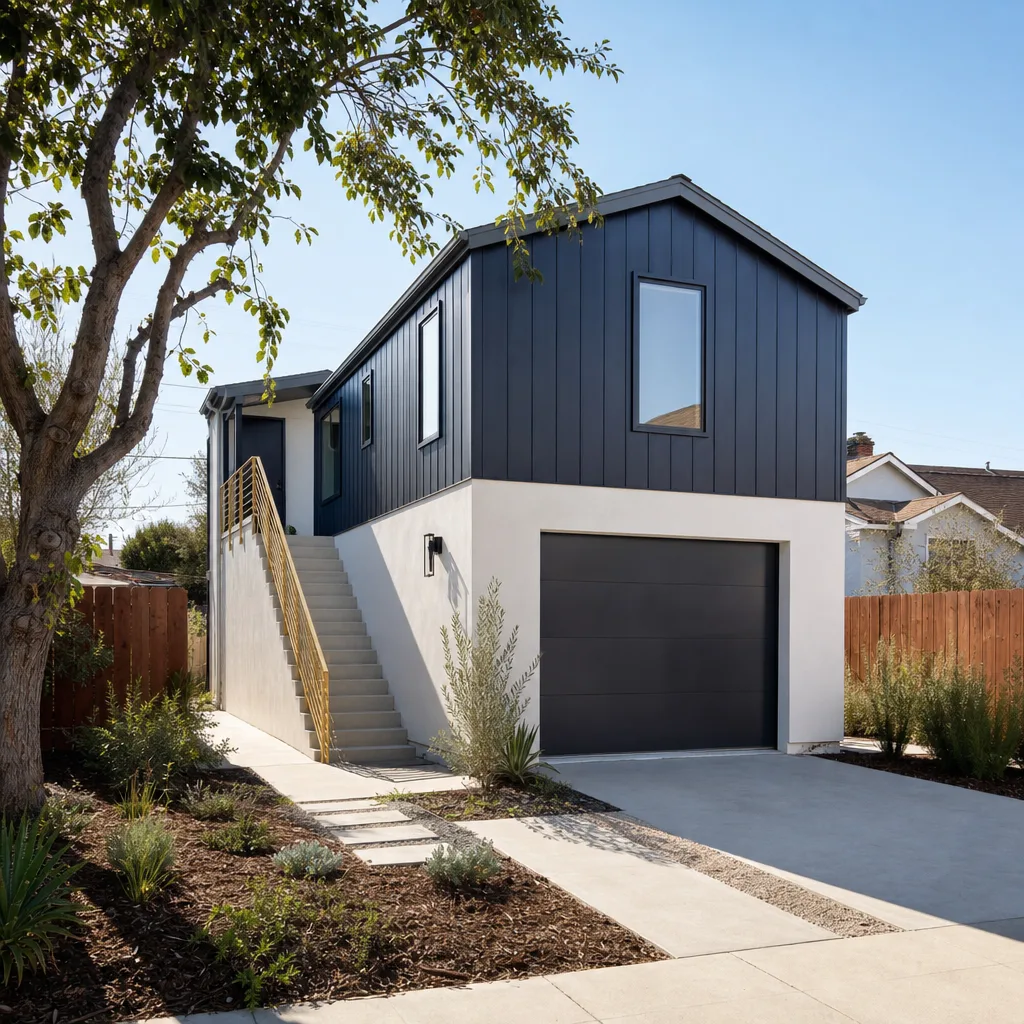
How long should a Dvele foundation and utility hookup last?
Decades, if it was built correctly for valley soil and graded properly. Grading and drainage are what fail first, usually within the first few monsoon seasons, so that’s the part worth getting right the first time. Call (844) 797-4814 for a free assessment.
Can a failing utility line or pad be repaired instead of replaced?
Often yes. A localized sewer joint or a water line can be repaired, and small pad cracks can be sealed. If the pad has moved significantly or the line has collapsed, replacement is the honest answer. Estimates are free, and we tell you which one it is.
How long does the work take?
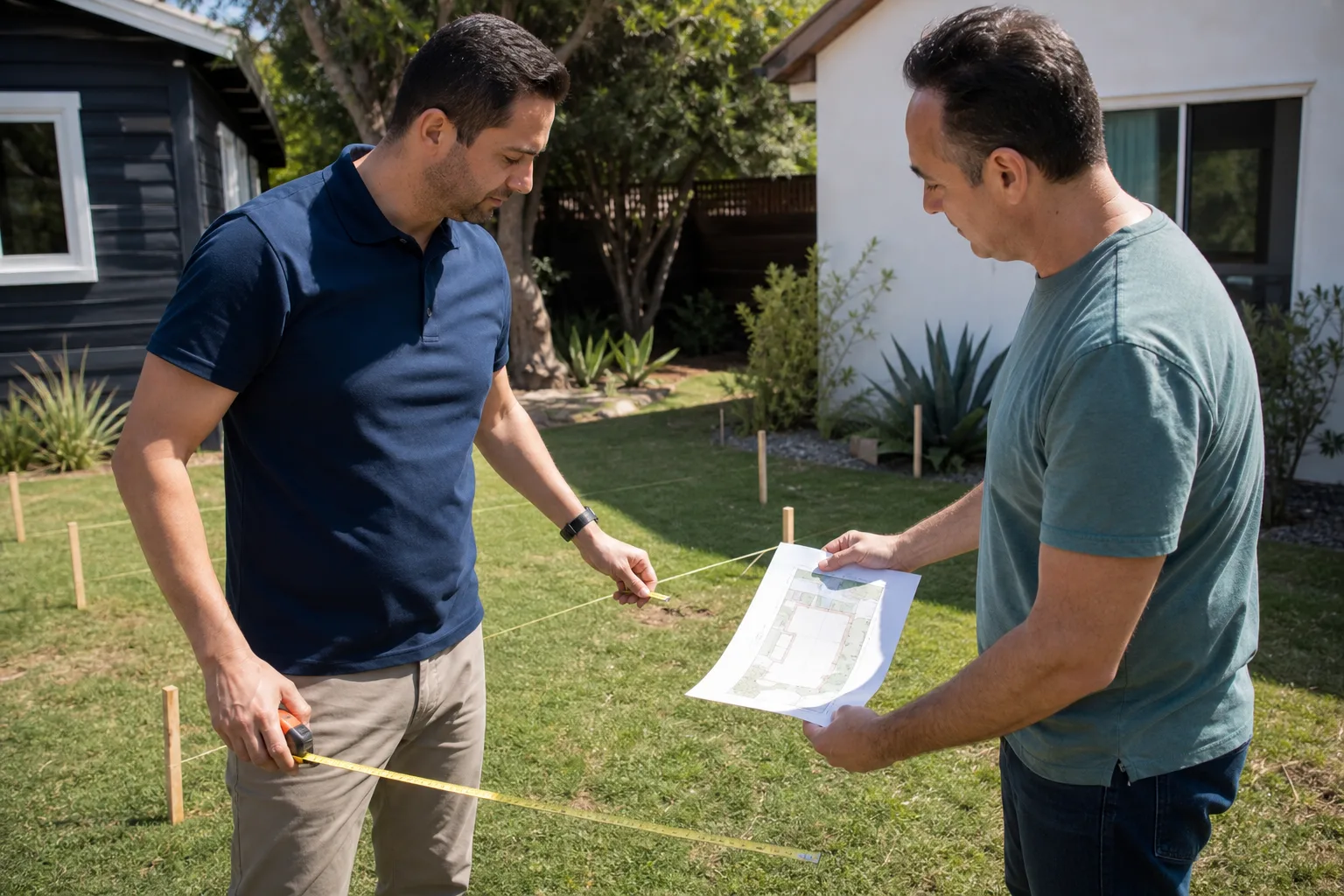
A single utility repair is usually one to two days. A pad repair plus regrade runs three to five days. Full site prep for a new Dvele set is measured in weeks and scheduled around the factory delivery date. We’ll put the timeline in writing before work begins.
How do you source parts for a Dvele unit?
We match against the model documentation Dvele supplies, and we source OEM parts through the specified supplier channel rather than substituting. For commodity materials like conduit, PVC, and gravel, we use quality equivalents and say so on the quote. Call (844) 797-4814 and we’ll confirm what your model needs.
Call (844) 797-4814 for a free estimate. A live person answers, and every technician arrives background-checked, identity-verified, and photo-badged, with name and photo sent to you before the visit.
Written by the team at Sutton ADU Builders Whitney, serving Whitney and nearby areas.