James Hardie Site Prep & Utilities: The Whitney Owner’s Guide
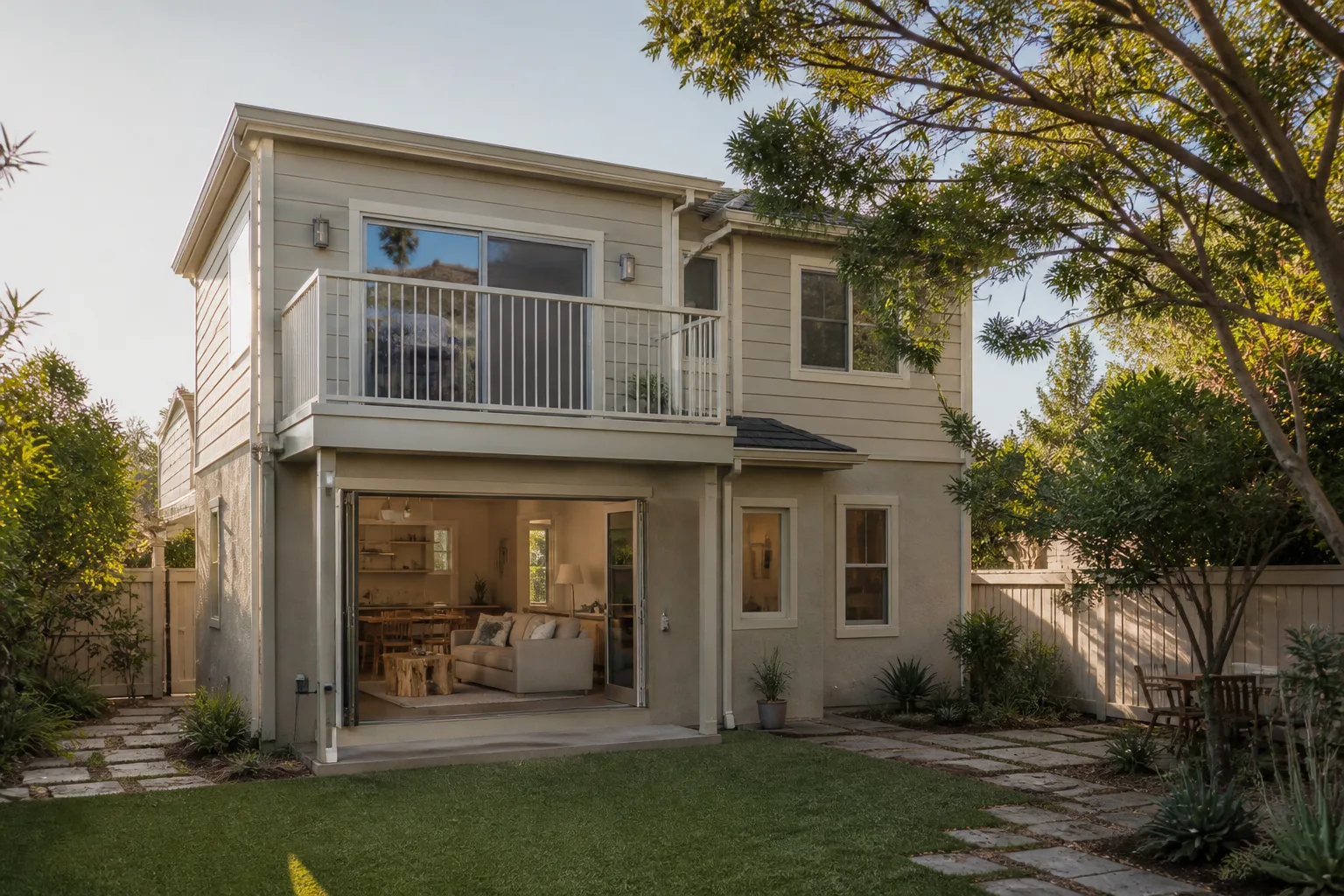
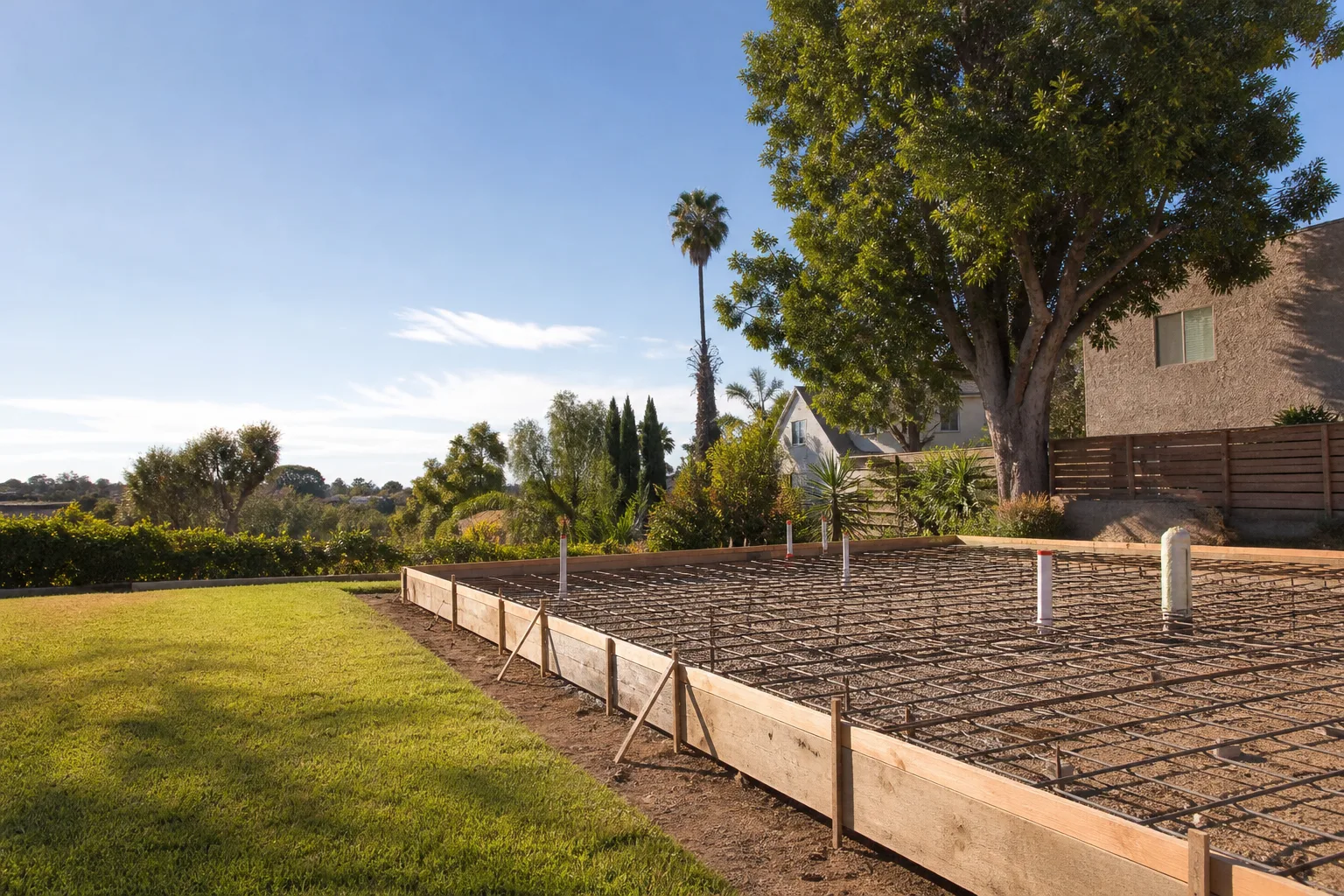
Site prep and utility work for a James Hardie exterior system in Whitney, NV typically runs $2,400 – $9,800 installed, depending on whether we’re trenching new power and water runs to a detached structure or re-flashing and grading around an existing addition. We schedule these jobs within a normal project timeline, not same-day, because proper prep means inspections and cure time. Most Whitney owners discover a problem when they see water pooling against the cladding, a gap where a utility stub meets the wall, or HardiePlank® panels starting to cup near the base of the structure. That’s usually the moment a failed prep detail shows up as a siding symptom.
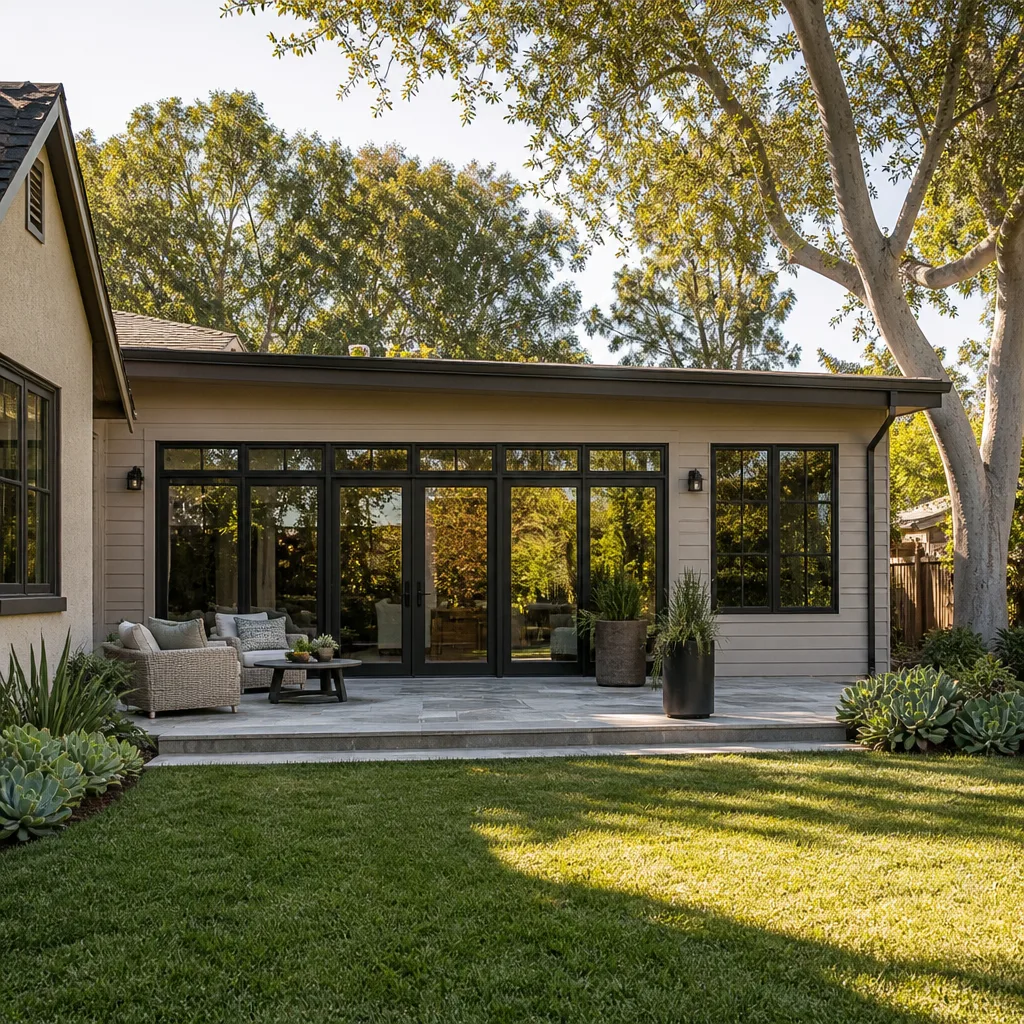
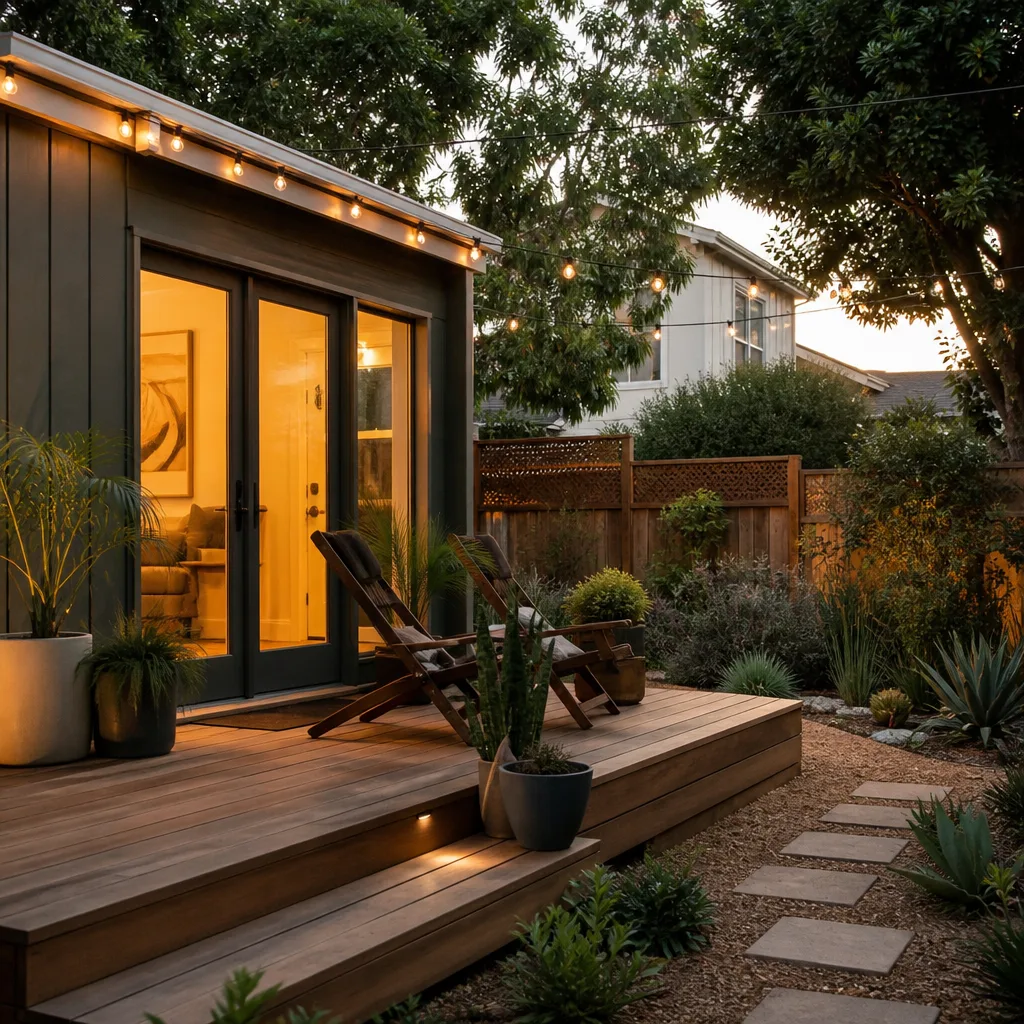
We’re an independent ADU and addition contractor, not affiliated with James Hardie. But we install their exterior systems often enough to know exactly where site prep and utilities intersect with their cladding and trim specs.
Which James Hardie Models This Applies To
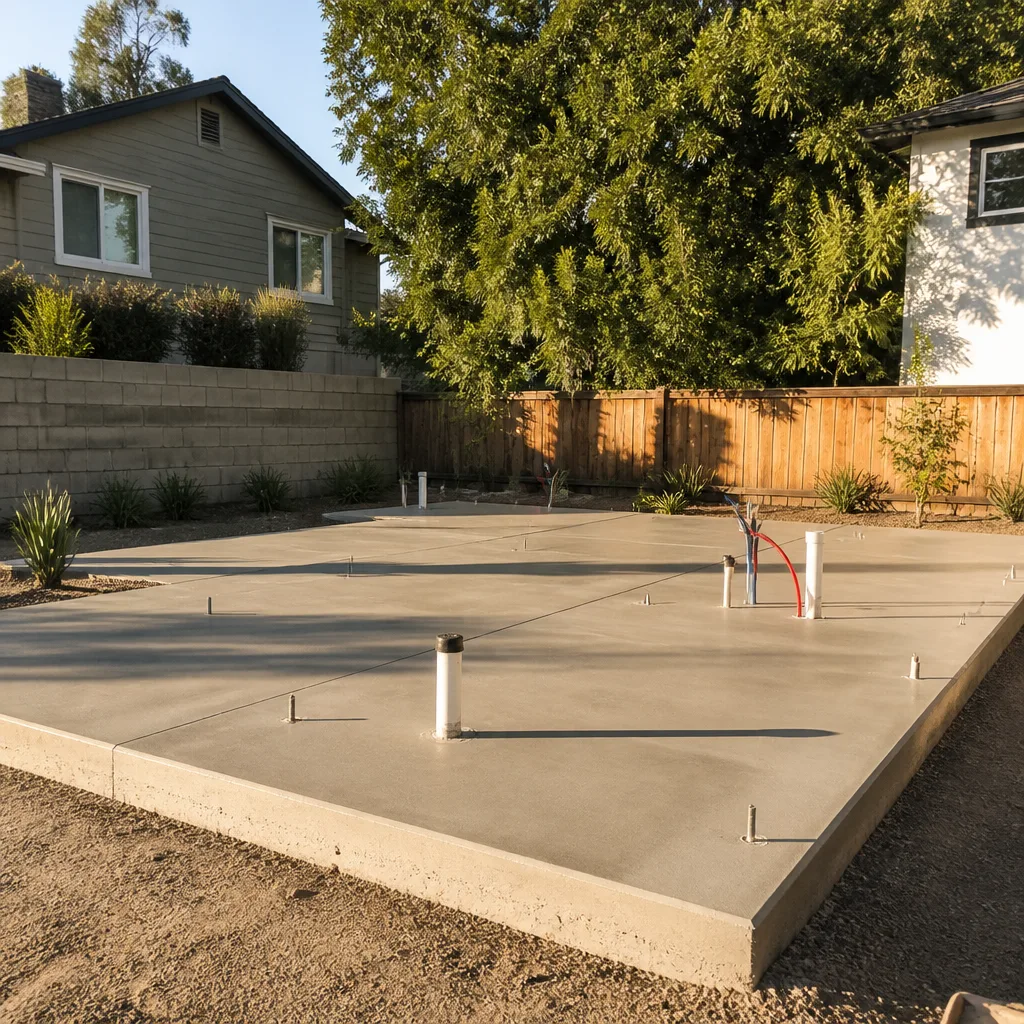
Site prep and utility work underlies every James Hardie exterior line we install: HardiePlank® lap siding, HardiePanel® vertical siding, HardieShingle® panels, HardieTrim® boards, and the Artisan® by James Hardie line used on higher-end ADU exteriors. The prep requirements are largely the same across those products, but the clearances and flashing details differ, and that’s where compatibility gets tricky.
Identifying the right prep specification starts with the product in hand. Check the label on the back of a removed panel or the tongue of an existing board. HardiePlank® lists a thickness of 5/16 inch, which requires a minimum ground clearance of 6 inches from the bottom edge to grade in our desert-to-monsoon climate. If your existing install has less than that, the prep work is part of the fix, not optional.
The OEM-vs-aftermarket question for James Hardie matters most on trim and flashing accessories. James Hardie’s own flashing tapes and trim profiles are matched to their warranty terms; generic housewrap and flashing can void coverage if water intrusion shows up later. We tell Whitney homeowners to keep James Hardie-branded accessories on the James Hardie surfaces and use quality aftermarket only for the utility penetrations themselves.
Signs Your James Hardie Site Prep & Utilities Is Failing
- Water staining or efflorescence at the base of the cladding. This usually traces to grading that slopes back toward the structure instead of away, leaving the bottom course of HardiePlank® sitting in splash zone. In Whitney’s summer monsoon pattern, a half-inch of standing water against the wall for two days is enough to start it.
- Utility stub-outs sitting proud of the wall plane. When electrical conduit or a hose bib protrudes without proper flashing and sealant, water wicks behind the panel. We see this on garage conversions where the original builder never accounted for the new wall assembly.
- Gaps at the sill plate or foundation line. A gap between the framing and the concrete slab lets air, dust, and pests in, and it signals the prep stage skipped a sill seal. On a Whitney ADU, that gap also wrecks your energy calculation.
- Soil erosion around the trench line. A utility trench that wasn’t properly compacted settles after the first wet season, pulling away from the foundation and leaving a low channel for runoff. It looks like a cosmetic rut until the water finds your footing.
- Condensation or sweating on interior wall surfaces near utility penetrations. This points to a missing vapor barrier at the penetration, which in our climate swing (over 100°F in July, near freezing some January nights) drives moisture into the wall cavity.
Replacement Cost & What’s Included
Here’s what site prep and utility work runs in Whitney, with parts and labor broken out plainly:
| Work item | Installed range |
|---|---|
| Grading and drainage correction around existing structure | $1,200 – $3,400 |
| Flashing, housewrap, and vapor barrier at cladding base | $800 – $2,200 |
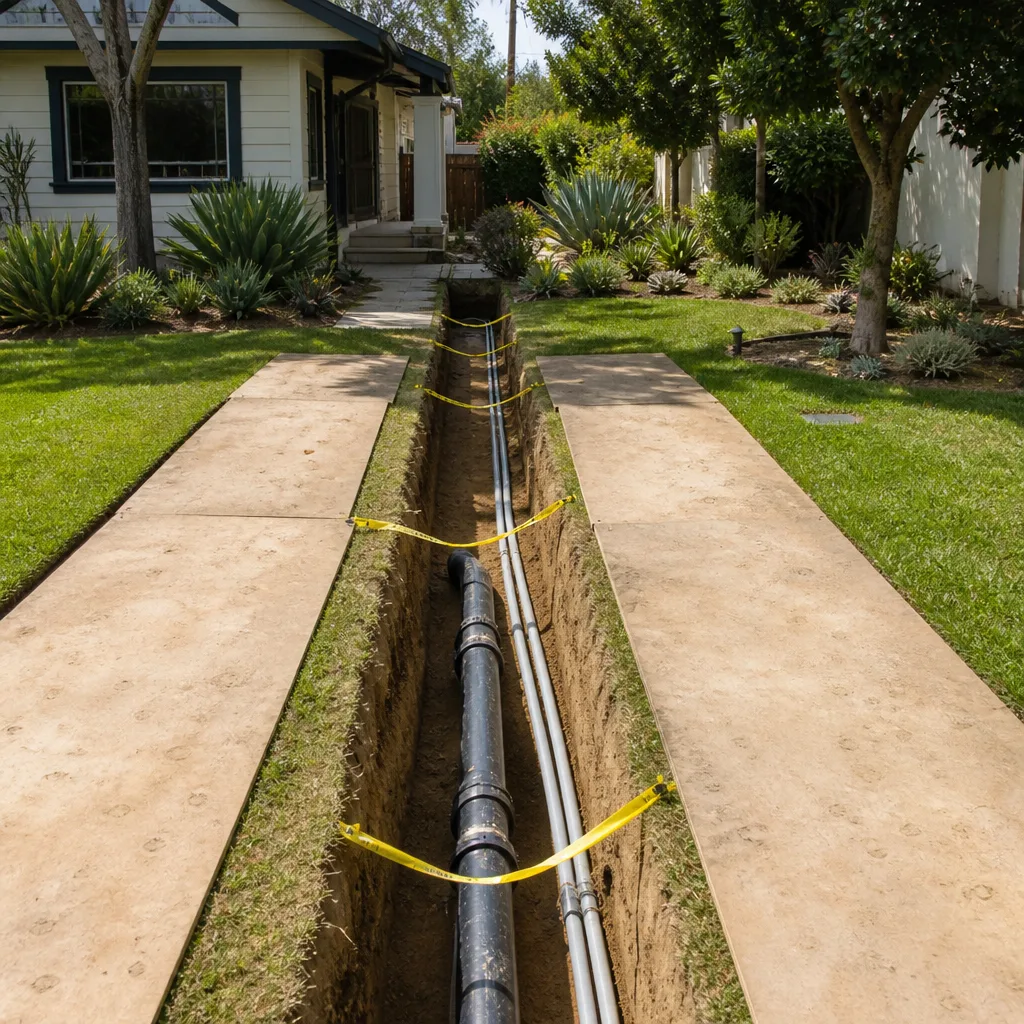
| New electrical trench and conduit to detached ADU (per run) | $1,800 – $4,600 |
| Water and sewer lateral to detached structure | $2,400 – $6,800 |
| Utility penetration flashing and sealant package | $400 – $1,100 |
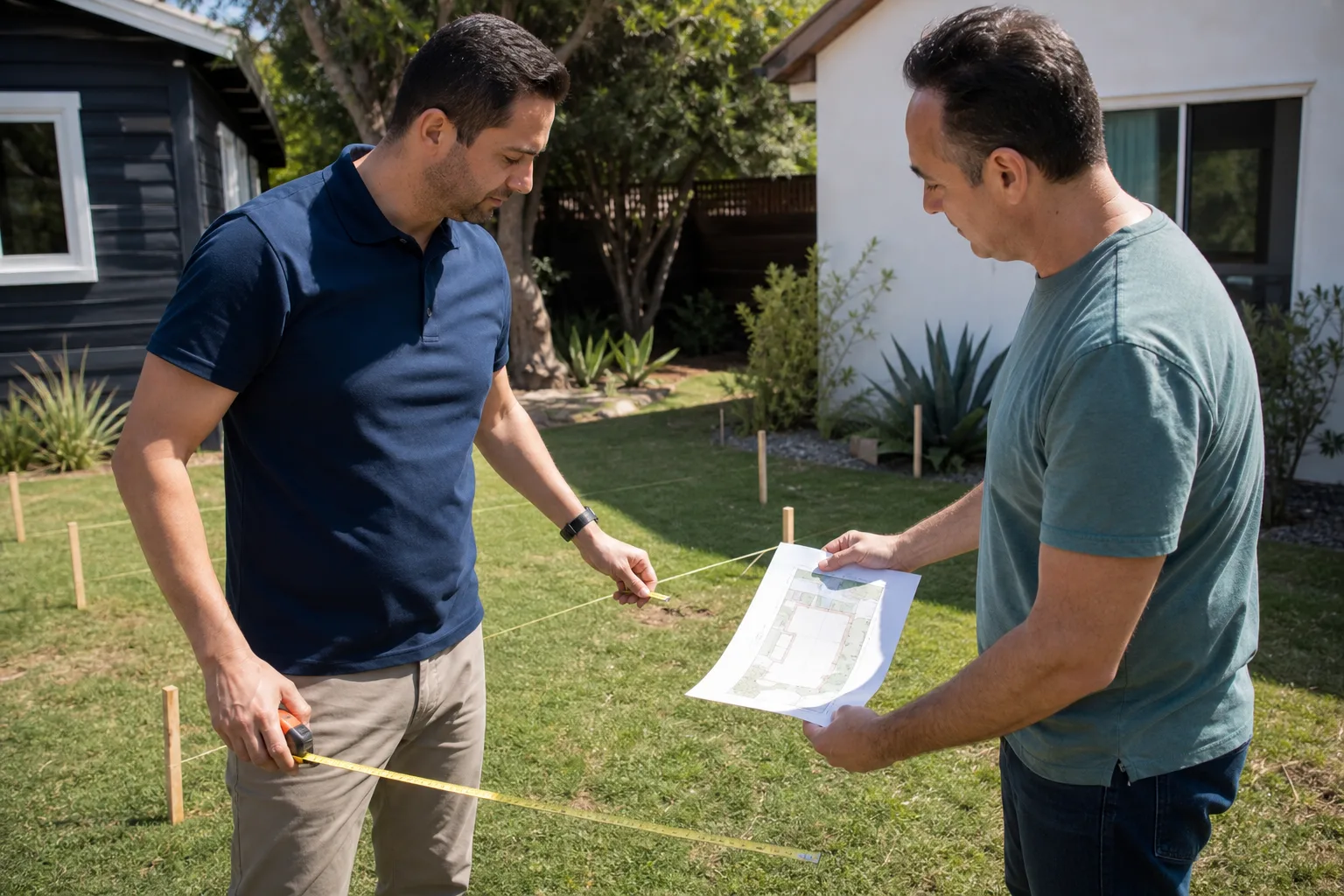
The range depends on trench depth, distance from the meter, permit requirements, and whether we’re working around an existing slab. We give you a written price before any work begins, so the number you agree to is the number you pay. The 365-Day Done Right Promise covers defects in workmanship for one full calendar year from project completion.
DIY or Call Us?
You can safely check grading slope with a level, look for gaps at the sill plate, and note where water pools after rain. What you shouldn’t do yourself is trench and connect electrical conduit, gas lines, or sewer laterals. Those are permitted, inspected, and genuinely dangerous to get wrong. Buried conduit at the wrong depth fails inspection and can be a shock hazard years later. Same for gas line work near a structure.
If you’re seeing water intrusion at the cladding base or an unflashed utility penetration, that’s the point to stop poking at it. Call (844) 797-4814 and we’ll walk you through what we’re seeing and what the fix involves.
FAQs
Properly done grading, flashing, and buried utilities should outlast the cladding itself, which typically lasts 25 to 30 years in Whitney’s climate when installed with correct clearances. The failure points are usually the shortcuts: shallow trenches, missing vapor barriers, and grading that wasn’t compacted. If those were done right, you shouldn’t be revisiting them.
Often yes. A grading correction, new flashing at a penetration, or re-sealing a utility stub can fix the problem without ripping out cladding. We assess whether the underlying water damage has reached the sheathing before recommending a repair versus a larger rebuild. Call (844) 797-4814 for a free estimate and we’ll tell you honestly which one you’re looking at.
Grading and flashing corrections typically take one to three days. New utility runs to a detached ADU run three to seven days depending on trench length and inspection scheduling. Whitney permits add time, and we pull them and pass the inspections as part of the job. We give you the timeline in writing before we start.
We source James Hardie-branded flashing, trim, and accessory components through authorized distribution so the warranty terms stay intact, and we spec utility hardware to match the assembly. We don’t stock parts on a truck; each job is sourced to the specific product line and model. Every technician who comes to your property is background-checked, identity-verified, and photo-badged through the Threshold Standard, and you get their name and photo before they arrive.
James Hardie cladding is only as good as the prep and utilities under it, and in Whitney that means getting grading, flashing, and buried lines right the first time. We also work with Abodu, Cover, and Dvele prefab and modular units, so we know how these assemblies come together across product lines. If your exterior is showing water intrusion, a gap at the base, or an unsealed utility penetration, call (844) 797-4814 to schedule your free estimate. You’ll get a written price before any work begins, a photo-badged technician at the door, and the 365-Day Done Right Promise behind the work.
Written by the team at Sutton ADU Builders Whitney, serving Whitney and nearby areas.