Last updated November 17, 2026
DIY vs Professional Room Addition Contractor: What’s Safe to Do Yourself
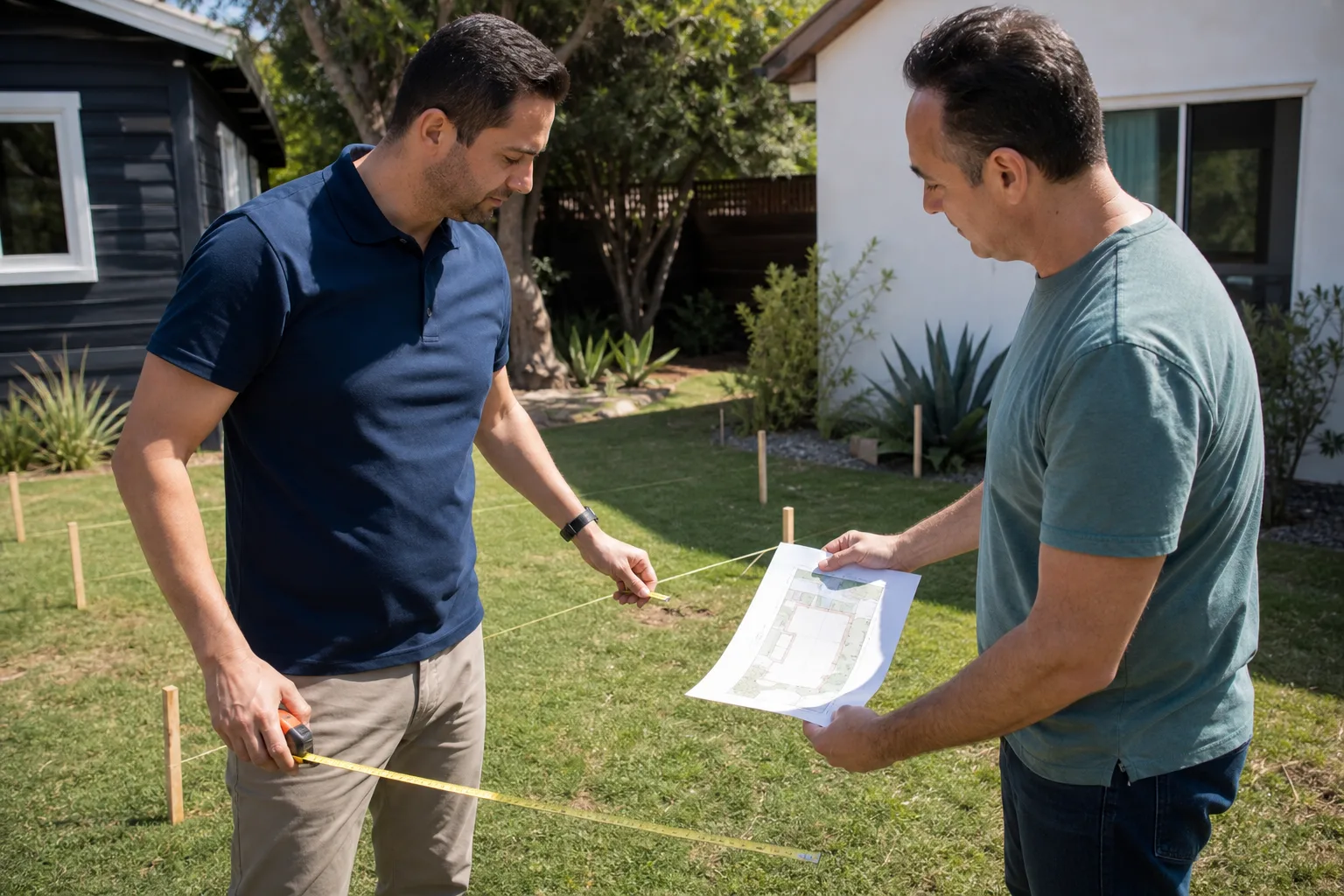
In Nevada, a homeowner can legally act as their own general contractor on a room addition. That part is true, and plenty of DIY guides stop right there. What they leave out is the second half: the moment you hire even one person to help frame a wall, poke a hole for a window, or pull wire, a different set of licensing, workers’ comp, and permit rules switches on. Whitney sits in Clark County, where the homeowner-builder rule is real but narrow, and where a single misread step can stall your final inspection or follow the house to a future sale. This guide walks the whole decision task by task, so you know what Nevada law lets you do yourself, what genuinely saves money, and what quietly costs far more than hiring a pro.
Quick Answer
In Nevada, an owner-builder can legally self-perform design coordination, demolition of non-structural elements, and finish work on a room addition, but electrical, plumbing, HVAC, and any structural framing or alterations must be done by a licensed trade contractor and inspected. DIY saves real money on finishes and demo; it rarely saves money on structure, and it can cost you at resale if the work isn’t permitted and signed off. The safest split is to self-perform the cosmetic work and hire licensed trades for everything the inspector has to sign off on.
Table of Contents
- What an owner-builder permit actually means in Nevada
- Which tasks Nevada lets you do yourself, and which it doesn’t
- The real time-and-money math of DIY over 6-12 months
- Hidden costs most DIY budgets miss
- The resale and insurance problem nobody warns you about
- Five DIY tasks that genuinely make sense (with the caveats)
- When a licensed pro isn’t optional
- Common mistakes to avoid
What an owner-builder permit actually means in Nevada
An owner-builder permit lets a homeowner build or improve a residential property they live in, without holding a contractor’s license, as long as they intend to live there and not sell or rent it out soon after. In Nevada the State Contractors Board has a specific form for this, and Clark County building departments require it before they’ll issue permits for owner-led construction. The fee is modest, in the low hundreds of dollars, and it’s tied to the specific parcel and the specific scope.
Here’s what trips people up. The owner-builder exemption covers you. It doesn’t cover the neighbor who helps on a Saturday, the handyman you pay cash, or the “guy who knows a guy” who shows up with a nail gun. If you take out an owner-builder permit, you are required to perform the work yourself. The minute you pay anyone to work under that permit, you’ve created an unlicensed contracting situation, and you own the liability for it. Workers’ comp exposure, injury claims, and an inspector who flags unlicensed labor on the job are all real.
We’ve seen homeowners in Whitney take out an owner-builder permit intending to do it all themselves, then discover the framing needs three people and hire two unlicensed helpers. That’s the moment the math turns against them. Taking out an owner-builder permit for work you’re actually hiring out is not a money-saving strategy. It’s a liability problem that follows the parcel.
If you want a crew that’s actually on the permit and carrying its own insurance, the room addition contractor in Whitney page lays out how that works. Every crew we send under the Threshold Standard is background-checked, identity-verified, and photo-badged, and their name and photo reach you before the visit.
Which tasks Nevada lets you do yourself, and which it doesn’t
The legal line isn’t a matter of skill. A homeowner with real carpentry experience still can’t legally self-perform electrical, plumbing, or HVAC on a permitted room addition in Nevada in a way the inspector will sign off on. Those trades require a licensed contractor, period. Here’s the practical split:
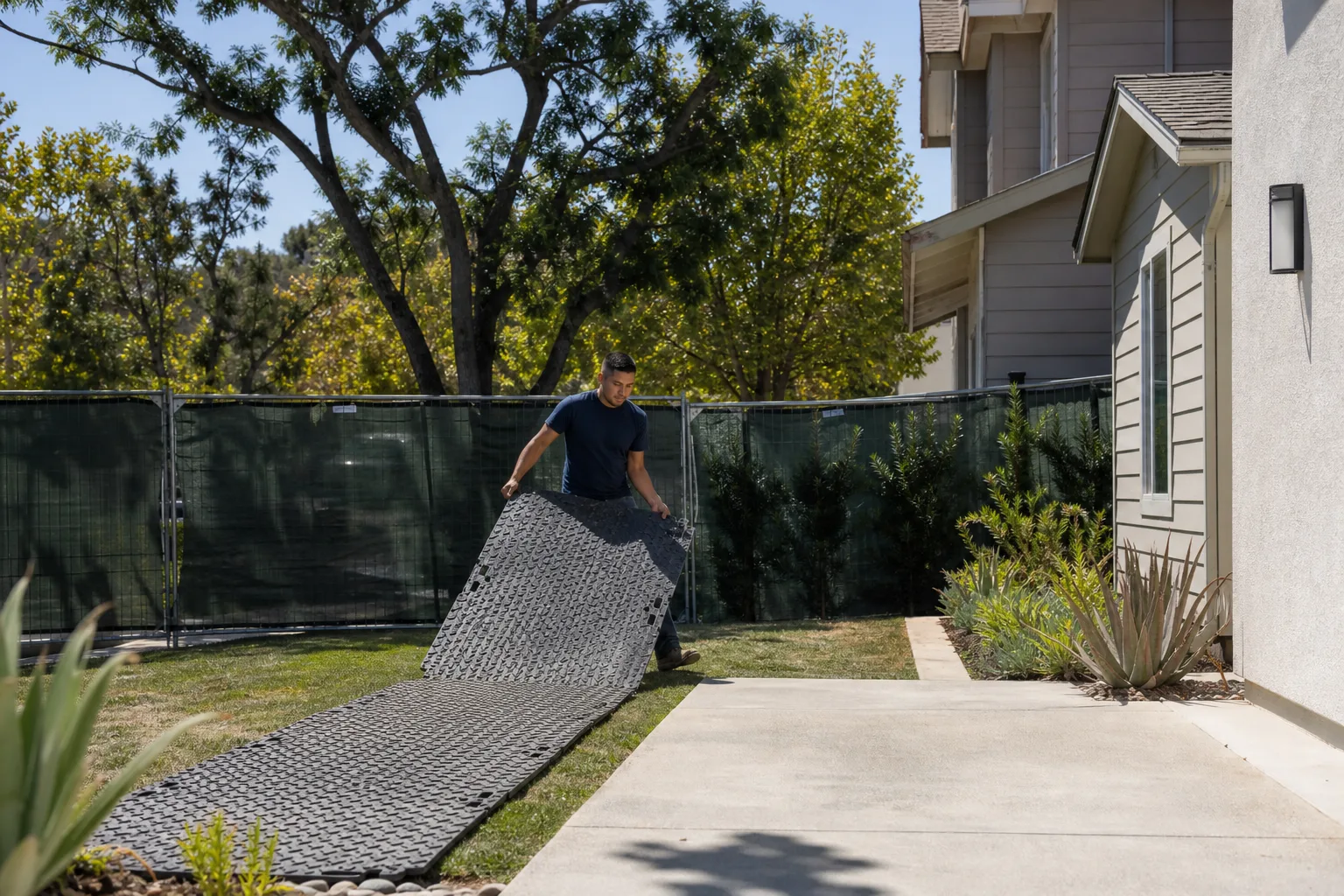
- You can generally self-perform: interior demolition of non-structural walls, drywall hanging and finishing, painting, finish flooring, trim and cabinet installation, landscaping and site prep, and moving furniture and clearing the site.
- A licensed trade must perform: all electrical rough-in and trim, all plumbing supply and drain work, all HVAC ducting and equipment, gas lines, structural framing, foundation and concrete work, and any alteration to load-bearing walls.
- Gray zone that usually needs a pro: window and door openings in exterior walls (structural header work), roofing tie-ins, and anything that involves cutting into the existing structure.
Fine carpentry and cabinetry look DIY-friendly, and some of it is. But the framing, sheathing, and structural header work that surrounds a new opening is not. If you cut into a load-bearing wall or add a new window to an exterior wall, you’re into engineered or prescriptive framing that the inspector will look at closely. That’s a crew job, and it’s the single most common place DIY room addition budgets in Whitney blow up.
The real time-and-money math of DIY over 6-12 months
A 300-square-foot room addition in Whitney runs roughly $65,000 to $130,000 turnkey depending on finish level, foundation type, and how much of the existing structure you tie into. Hiring it out as a homeowner-builder-and-subs approach can shave 10-20% off that number, but only if you actually finish on schedule.
Here’s the counter-intuitive part: DIY rarely saves as much as it looks like it will, because the savings are partly eaten by three things people don’t budget for.
- Tool rental and specialty purchases. A framing nailer, compressor, tile saw, rotary hammer, laser level, and miter saw can add $1,800-$3,500 in rentals and purchases over the project. The tools are one-time, but they aren’t free.
- Material waste from inexperience. The first-timer buys 20% more drywall, tile, and lumber than a pro, and eats the cost of mistakes and re-cut material. That alone can run 5-15% of material cost.
- Opportunity cost of weekends. A room addition that takes a crew 8-10 weeks can take a homeowner working weekends and evenings 6-12 months. If you’re giving up $2,000 of billable time a month on the weekends you’re building, that’s $12,000-$24,000 of real value over a year.
When you stack it up, DIY saved $15,000 in labor cost but cost $12,000 in lost weekend productivity and $6,000 in re-work, the “savings” turns into a loss. The good news is that this calculation is completely local and personal. In Whitney, where summer heat regularly pushes 110°F and cuts your outdoor and non-AC build windows down to mornings and late evenings, the calendar matters more than it does in milder climates. That’s part of why so many homeowners here end up splitting the work.
Hidden costs most DIY budgets miss
The line-item budget is never wrong on paper; it’s missing the line items that only show up when the work starts. These are the ones we see most often on Whitney room additions:
- Permit fees and plan review. A room addition permit in Clark County typically runs $1,200-$2,800 for a project of this scope, plus plan check fees. This is not avoidable if you’re building legally. Budget it.
- Engineering. If any structural work is involved, a stamped engineered plan is often required. That’s $600-$1,800 and it’s not a DIY deliverable.
- Inspection re-visits. A failed inspection costs a re-inspection fee (often $75-$150) plus the schedule slip. If you fail framing inspection because a header is undersized, you don’t just pay the fee, you lose 2-3 weeks of calendar.
- Dumpster and disposal. Demo of a non-structural wall can fill a 20-yard dumpster easily. In Whitney, dumpster rental and disposal for a room addition typically runs $500-$900 over the project. Concrete and stucco disposal adds more.
- Curing and weather windows. Concrete needs to cure. Stucco needs to be applied before the summer ramps up. In Whitney, missing the spring window for exterior work can push the whole project into a hotter, slower schedule.
A written price before any work begins is the single best defense against these surprises. That’s what we do on every project: a line-item number up front, no change orders passed silently to the bill, and a 365-Day Done Right Promise covering defects in workmanship for one full calendar year from project completion.
The resale and insurance problem nobody warns you about
Room addition work that wasn’t permitted, or was done by unlicensed parties, does not disappear when the project is done. It follows the house. When you go to sell, a title company, escrow officer, or buyer’s inspector can flag the unpermitted work, and the sale can stall while you either retroactive-permit it (often expensive) or reduce the price to account for it. Clark County has a well-known process for this, and it isn’t cheap or fast.
Insurance is the second half. If a fire starts in a room addition and the adjuster discovers the electrical was done unpermitted by a non-licensed person, coverage for that loss can be denied or significantly reduced. The same holds for water damage from a plumbing run done without a permit. This is an area where the homeowner’s protective instinct and the homeowner’s insurance company’s interest line up: permitted, inspected, licensed work gets covered. Unpermitted work is a claim-time fight.
On a home addition where the family has young children or an older parent living in the home, the security of knowing exactly who’s coming and going on site matters as much as the paperwork. Every Sutton technician is background-checked, identity-verified, uniformed, and photo-badged, with a name and photo sent before arrival, which is why we call it the Threshold Standard and not just “vetting.” You should expect the same from any crew doing the licensed portion of your build.
Five DIY tasks that genuinely make sense (with the caveats)
Plenty of the finish work on a room addition is genuinely DIY-appropriate, even in a full permit scenario, because the licensed trades and the framing crew are the ones getting the structural inspections. Here’s what actually moves the needle.
- Demolition of non-structural interior walls. Safe to self-perform, and a real money saver. Caveat: verify with an engineer or your building department that the wall isn’t load-bearing, and never cut into a wall you haven’t had checked. Watch for wiring and plumbing inside the wall cavity before demolition starts.
- Painting. The most reliably DIY-friendly task on any addition. Caveat: prime and paint properly before cabinetry or trim go in, and finish the ceiling first. Mistakes here are cheap to fix, which is exactly why it’s a good place to save.
- Finish flooring. Installing LVP, laminate, or tile over an already-flat, cured substrate is genuinely within a careful homeowner’s range. Caveat: the substrate has to be level and dry. If the concrete slab wasn’t prepped well, flooring failures follow. Do the moisture test before you install.
- Cabinet installation. Hanging cabinets in a new room is fair game, and a solid labor saving. Caveat: the walls need to be square and studs located correctly. If framing is off, cabinets inherit the problem.
- Landscaping and site continuity. Rebuilding the yard, patching stucco edges, and finishing the exterior transitions around a new ADU or room addition is safe, inexpensive, and high satisfaction. Caveat: don’t cut into the waterproofing or drainage envelope of the new structure to force landscaping to fit.
Notice what’s not on this list: electrical, plumbing, HVAC, framing, foundation, roofing tie-ins. Those are not “harder” DIY tasks; they’re a different category. Getting them wrong means injury, fire, and a failed inspection, and the inspector will not sign off on them without a licensed contractor’s name attached.
If your room addition is really an ADU project, the ADU Builders in Whitney page covers the modular and prefab side, including Abodu and Cover lines, which arrive with much of the structure pre-built and shift the DIY question entirely to the finish work. The home addition contractor in Whitney page handles the broader addition scope.
When a licensed pro isn’t optional
There are a few situations where the DIY question is essentially moot. If any of these apply, plan around a licensed contractor from the start, because the risk of going it alone is not worth the labor savings.
- Any structural work. Load-bearing wall removal, header installation, new foundation, or roofing tie-ins all require engineering and licensed framing.
- Electrical and plumbing and HVAC. All three are licensed-trade only in Nevada. There’s no legal way to self-perform the permitted work.
- Gas lines. If your addition includes any gas service (water heater, range, dryer, outdoor kitchen), that’s licensed work and it’s the one with real safety stakes.
- An ADU you plan to rent. The owner-builder exemption is designed for the owner’s residence. If the structure will be rented, an owner-builder permit isn’t the right vehicle at all.
- Waterproofing and exterior envelope. Tying a new roof into an existing one is where the whole addition leaks if it’s done wrong. Do not DIY this.
We’ve seen a Whitney homeowner with 20 years of cabinet installation experience do a beautiful job on the interior finishes of their room addition and then hire out the electrical, plumbing, and roofing tie-in. That’s a good split. The reverse, where a homeowner attempted the structural and hired out the finishes, is where the project goes sideways.
Common Mistakes to Avoid
- Taking out an owner-builder permit for work you’re hiring out. This is a liability problem, not a money-saving strategy. Paying anyone to work under your owner-builder permit creates an unlicensed contracting situation, and the liability for injury or defects lands on you.
- Cutting into a load-bearing wall without checking. What looks like a non-structural wall in a Whitney house built in the 1980s may be doing real work. Have it checked before demo.
- Skipping the pre-drywall inspection. Framing, electrical, and plumbing rough-in all need inspection before drywall goes up. Skipping the inspection to save time means opening the walls later, which is far more expensive than the inspection.
- Assuming the concrete will cure fast in winter. Whitney winters are milder than a lot of the country, but concrete still needs proper cure time and temperature. Pushing finishes onto new concrete too fast causes failure.
- Not reading the permit scope carefully. Owner-builder permits in Clark County often list specific tasks. Doing work outside the scope, even your own work, voids the inspection pathway.
- Underestimating the summer heat. Whitney summers regularly exceed 110°F. Outdoor framing, stucco, and roofing work need scheduling around the heat. A homeowner working weekends can easily lose 2-3 months of build windows without planning around the heat.
When to Call a Professional
You should call a licensed contractor for a Whitney room addition when the project involves any structural work, any licensed trade, any gas line, any roofing tie-in, or any plan to rent the finished space. You should also call when the schedule matters more than the labor savings, because an owner-builder schedule slips easily and a stalled project costs the family more than the finishes saved. If you’re on the fence, the honest answer is that the licensed scope is the part that legally can’t be you, and the finish scope is the part that can. We’ve watched plenty of homeowners split the two successfully. Sutton ADU Builders Whitney offers free estimates in Whitney and written line-item pricing before any work starts – call (844) 797-4814 to schedule yours.
Frequently Asked Questions
Yes, with limits. Nevada allows a homeowner to take out an owner-builder permit and act as their own general contractor on a residence they live in, but the work under that permit must be performed by the homeowner, not by anyone they hire. The moment you pay someone to work under your owner-builder permit, you’ve moved into unlicensed contracting territory, and the liability is yours. Electrical, plumbing, HVAC, gas, and structural work still require licensed trade contractors regardless of permit type. If you’re not sure what your scope permits, call us at (844) 797-4814 and we’ll point you in the right direction – estimates are free.
An owner-builder permit itself is inexpensive, typically in the low hundreds of dollars. The cost that matters isn’t the permit fee, it’s the schedule and inspection risk. The permit is worth it only if you intend to perform the work yourself. Taking one out for work you plan to hire out creates a liability problem far bigger than the permit fee. If your project is anywhere near the structural or trade scope, it’s not worth it.
Painting, non-structural interior demolition, finish flooring over a proper substrate, cabinet installation, landscaping, and site cleanup are the reliably safe DIY tasks. Each has a caveat – flooring needs a level, dry substrate; cabinets need square framing; demo needs verification that the wall isn’t load-bearing – but the work itself is within a careful homeowner’s range. Everything involving structure, electrical, plumbing, HVAC, gas, or roofing tie-ins is not.
Yes. A claim adjuster who discovers unpermitted or unlicensed work in a room addition can deny or significantly reduce coverage for a related loss – fire from unpermitted electrical, water damage from unpermitted plumbing. Unpermitted work also complicates the sale of the home years later, because a title company or buyer’s inspector can flag it. The fix is to keep every permit in place and every inspection signed off, which is what our written pricing and inspection coordination are built around.
Real savings land somewhere between $5,000 and $20,000 for a homeowner doing the finish work themselves, less than most people expect because tool rental, material waste, and the lost weekends eat into the number. A 300-square-foot room addition in Whitney runs roughly $65,000-$130,000 turnkey; splitting the work saves on the labor line for finish tasks but rarely more than 10-15% of the total project. For an exact number on your scope, call (844) 797-4814 – estimates are free.
Yes. Every addition project we take on is permitted and inspected with the appropriate Clark County and Whitney-area authorities, and the electrical, plumbing, and HVAC work on the project is performed by licensed trade contractors under that permit. The permit path is part of what makes the finished work insurable and sellable years down the road.
The Bottom Line

DIY on a room addition in Whitney isn’t a single decision, it’s a series of task-by-task calls. The line is legal, not just practical: painting, demo of non-structural walls, finish flooring, cabinet install, and landscaping are safely yours. Structure, electrical, plumbing, HVAC, gas, and roofing tie-ins require licensed trades. Owner-builder permits are real and modestly priced, but taking one out for work you intend to hire out is a liability trap, not a shortcut. When in doubt, keep the licensed scope with the licensed crew and take the finish scope yourself. That’s the split that finishes on schedule, passes inspection, and still insures and sells cleanly a decade later. Connected through Sutton ADU Builders Whitney, the same standard applies to every project we touch: a written price before work begins, the 365-Day Done Right Promise on workmanship, and photo-badged, identity-verified technicians you can actually vet before they arrive. Call (844) 797-4814 to schedule a free estimate on your Whitney room addition.
For nearby homeowners looking at the broader picture, our Sutton ADU Builders Whitney home page and the ADU Builders in Whitney page cover detached ADUs and modular lines like Abodu and Cover, while the room addition contractor in Whitney page handles traditional additions end to end. James Hardie exterior systems and Tuff Shed conversions are common scope items in this area and we’ve worked them into plenty of Whitney builds.
Written by the team at Sutton ADU Builders Whitney.