Last updated November 17, 2026
DIY vs Professional ADU: The Whitney Homeowner’s Decision Guide
Nevada lets homeowners pull their own building permits without a licensed general contractor. That owner-builder exemption sounds like a straightforward money-saver until you hit the part most guides skip: a lot of lenders won’t finance an ADU built under an owner-builder permit, and the disclosure follows the property when you sell. In a small market like Whitney, where the subcontractor bench is thin and one no-show can stall your whole schedule, the math gets messier than the brochure suggests. Below we walk through what the exemption actually allows, what it doesn’t, where the real money goes, and the three conditions under which building your own ADU in Whitney actually makes sense.
Quick Answer
In Whitney, DIY ADU construction is legal for the permit-pulling and project-management parts, but every licensed trade – electrical, plumbing, HVAC – still has to be done by a licensed contractor, and you carry the liability as the owner-builder. Most homeowners who run the full owner-builder route in this market spend as much as or more than a general contractor’s 15 – 25% markup once subs, materials, mistakes, and financing complications are counted. DIY usually wins only when the homeowner is already licensed in a trade, has real free time, and is paying cash.
Table of Contents
- What Nevada’s Owner-Builder Exemption Actually Permits
- The Licensed Trades You Can’t Self-Perform
- The Real Savings Calculation
- Lender and Insurance Implications
- What a Capable DIYer Can Legitimately Do
- An Honest Decision Framework
- Common Mistakes to Avoid
- Frequently Asked Questions
What Nevada’s Owner-Builder Exemption Actually Permits
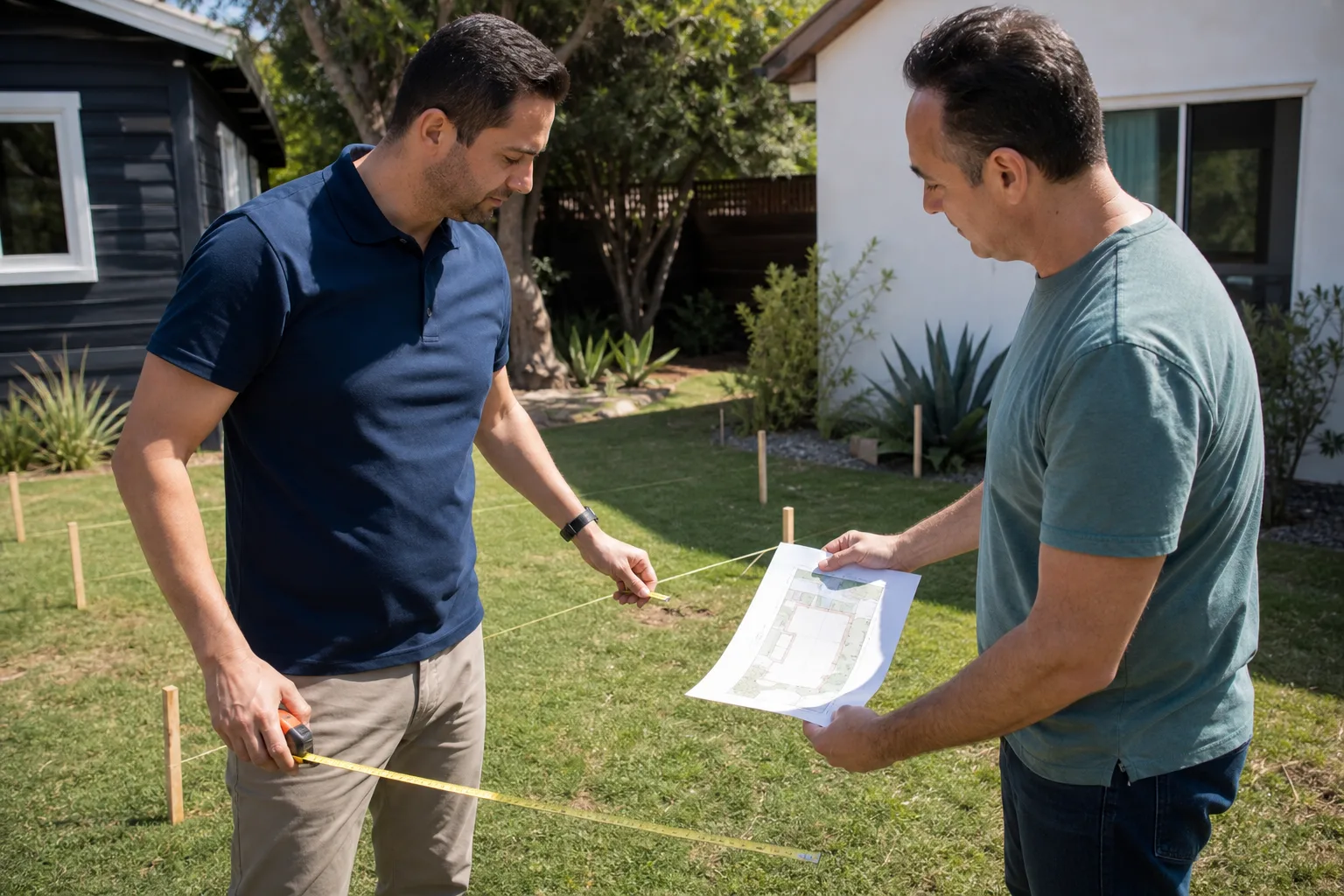
Nevada’s owner-builder exemption lets a property owner apply for building permits on their own residence without holding a contractor’s license, provided they intend to occupy or use the structure themselves. For ADU work in Whitney, that means you can be the named applicant, submit the plans, hire subs, and manage the build. What it doesn’t do is convert you into a licensed contractor. You can’t legally take on someone else’s project under that permit, and you can’t sell the structure as a licensed contractor’s work.
The exemption also carries assumptions that catch first-timers. When you sign the owner-builder affidavit, you’re stating that you’ll personally supervise the work and that you accept responsibility for code compliance. Clark County’s building department will hold you to that in inspection. If a framing inspection fails because a sub missed a shear nailing schedule, that’s your correction to make, your reinspection fee, and your delay. The permit is in your name; the accountability is too.
One nuance worth naming: an owner-builder permit on an ADU you plan to rent or use as a second dwelling is treated differently from one on a shop or storage building. Lenders and insurers look at whether the structure produces income, who built it, and whether it meets current code. That distinction drives a lot of the complications further down this guide. It’s also why we tell Whitney homeowners to figure out their financing before they figure out their framing schedule.
If you want to see what the professional version of this process looks like – written scope, verified subs, inspections managed for you – the ADU builders in Whitney page walks through the timeline.
The Licensed Trades You Can’t Self-Perform
Here’s the honest version: the owner-builder exemption gets you a permit, not a license. Several trades on an ADU in Whitney require a licensed contractor regardless of who holds the building permit. Skip one and you can fail final inspection, lose your certificate of occupancy, or void coverage on the structure.
- Electrical. Panel work, service upgrades, rough-in, and the final hookup all require a licensed electrician. If your ADU pushes your existing service past capacity, that upgrade alone needs a licensed electrician and a separate permit.
- Plumbing. Water and sewer connections, including tie-ins to the main line, are licensed work. A DIY sink swap isn’t the same category as running a new drain line to the main.
- HVAC and gas. Mechanical permits, refrigerant lines, and anything involving gas require a licensed contractor. Gas work in particular is genuinely dangerous and not a place for YouTube confidence.
- Structural engineering sign-off. Most ADU plans in this region need a stamped structural sheet. You can hire the engineer yourself as owner-builder, but you can’t substitute your own judgment.
In our experience, the trades are where DIY budgets quietly break. A subs market this thin means you’re not choosing from plumbers who want the job – you’re choosing from the two who’ll return your call. Licensed subs know that an owner-builder job has no GC backstopping the schedule or the punch list, and many will price for that uncertainty or simply decline. When it goes wrong, there’s no one to escalate to except yourself.
If you’re leaning toward the professional route for any part of the build, a home addition contractor in Whitney can often take over a stalled owner-builder project, though the handoff costs more than starting with a GC would have.
The Real Savings Calculation
The case for DIY rests on avoiding the general contractor’s markup, which in this market typically runs 15 – 25% of construction cost. On a modest 600-square-foot detached ADU, that markup is real money. But the savings evaporate fast when you price the pieces a GC normally absorbs.
- Sub pricing. General contractors get volume pricing. As a one-off owner-builder, you’re paying retail rates for framing, concrete, and finish trades, plus you’re likely paying a premium for anyone willing to take a job without a GC in front of it.
- Materials. A GC’s account pricing on lumber and fixtures is often 8 – 15% below a homeowner’s walk-in price. On a $150,000 build, that gap alone can eat a third of the markup you thought you were saving.
- Mistakes and rework. A failed inspection means reinspection fees, days of delay, and sometimes tear-out. Two or three correction cycles is a normal experience for first-time owner-builders, and each one is money you were hoping to keep.
- Your time. If you’re being honest, the project-management hours on an owner-builder ADU run into the hundreds. Multiply by what an hour of your professional time is actually worth. That’s a real cost, even if it doesn’t appear on an invoice.
- Financing friction. Covered in the next section, but this can be the biggest number of all.
We’ve seen Whitney homeowners come out ahead as owner-builders, and we’ve seen them come out substantially behind. The pattern is consistent: the ones who win already had trade licenses, free schedule, and cash. The ones who lose assumed the GC’s markup was pure profit that a careful amateur could keep. It isn’t; it’s insurance against the specific risks a small market throws at you.
If you want to price a professional build against your DIY numbers, start with the Sutton ADU Builders Whitney home page for range baseline, then request a written estimate.
Lender and Insurance Implications
This is the section most DIY guides leave out, and it’s the one that has cost Whitney homeowners the most.
Most mortgage lenders won’t finance an ADU built under an owner-builder permit, and many won’t count the structure in your home’s appraised value. When you go to refinance or pull a home equity line against that added value, an owner-builder ADU on the title is a complication, not an asset. Some lenders will ask for signed-off permits and a licensed contractor’s name; the absence of a GC can stall or kill the loan. If your plan was to build first and refinance later to recover capital, this is the trap.
Homeowner’s insurance is its own story. Carriers underwrite based on who built the structure and whether it was inspected. An owner-built ADU can leave you paying more for coverage or, in some cases, facing a denial on the new structure. We routinely see policies require a licensed contractor’s name on the build to cover the structure without an exclusion. Get a written answer from your carrier before you break ground. And name the structure on your policy – a detached ADU that isn’t listed may not be covered at all.
Resale disclosure is the long tail. Nevada requires sellers to disclose material facts about the property, and an owner-builder ADU is exactly the kind of fact a buyer’s agent will flag. Even if everything was inspected and passed, the buyer sees a structure with no licensed GC attached. Expect that to translate into a price discount at resale, and expect it to follow the property permanently. If you’re building an ADU you plan to sell with the house in the next ten years, the resale discount frequently exceeds the GC markup you saved.
If you want to avoid this whole category of problem, a professional build – with a named licensed contractor on the paperwork – keeps your financing and insurance options clean. That’s the reason room addition contractors in Whitney get called even by confident DIYers.
What a Capable DIYer Can Legitimately Do
Plenty of tasks on an ADU don’t require a license and don’t threaten inspection or warranty. Keeping these in your own hands is a legitimate way to save money, and it’s the part of the savings most owner-builders should focus on.
- Finish carpentry. Interior trim, baseboards, and door casing, if you’re genuinely good at it. Poor trim is obvious on resale but doesn’t void a permit.
- Painting. Interior walls, ceilings, and exterior touch-ups. This is real money on an ADU and completely within a careful homeowner’s skill set.
- Landscaping and site cleanup. Grading, planting, patio pavers, and final yard finish. Do this after final inspection so you’re not adding scope to the closing.
- Tile work. If you’ve done it before. If you haven’t, hire the tile setter and thank yourself at resale.
- Fixtures and finish installs after rough-in. Vanity tops, faucet trim, and lighting trim can be done by the homeowner once the licensed rough-in is signed off.
What you should not take on, even with confidence: anything with a permit attached to it, anything involving gas, and anything that fails inspection on the first pass. The rule we use in conversations with Whitney homeowners is simple – if the work carries a permit, it goes to a licensed professional; if it doesn’t, and you’re competent, it’s yours.
One more: prefab and modular ADUs change the DIY math. Products from Cover, Dvele, and Mighty Buildings arrive largely built, which removes the framing and finish labor that accounts for most of what owner-builders try to self-perform. The site work, foundation, utility connections, and inspections are still on you – and those are exactly the parts where licensed pros matter. A prefab shell with an owner-builder permit and no licensed contractor managing the connections carries most of the same lender and insurance problems as a stick-built DIY.
An Honest Decision Framework
After walking Whitney homeowners through this decision dozens of times, we’ve condensed it to a simple screen. DIY makes sense when all three of the first conditions hold. DIY reliably costs more when any one of the second three is true.
DIY makes sense when:
- You hold an active license in at least one of the trades on the build (electrical, plumbing, HVAC). This lets you legally self-perform the highest-cost trade, which is where the actual savings live.
- You’re paying cash or have non-mortgage capital available, so you’re not trying to finance or refinance an owner-builder ADU.
- You have genuine schedule availability – enough to manage subs daily for the duration, not evenings and weekends.
DIY reliably costs more when:
- You plan to finance the build or refinance it within the first five years. Lender friction alone usually erases the markup savings.
- You need the ADU for planning purposes – rental income, aging parent, adult child moving home – on a timeline. Every sub no-show pushes that out weeks.
- You plan to sell within the next decade. The resale disclosure discount on an owner-built ADU typically exceeds the 15 – 25% markup.
If you’re on the fence, weigh the second list harder than the first. In our experience the “I’m careful and capable” test passes for a lot of homeowners, and it’s not the test that matters. Financing, timeline, and resale are.
Common Mistakes to Avoid
- Assuming the owner-builder permit makes you a contractor. It doesn’t. You’re still required to hire licensed trades for electrical, plumbing, and HVAC, and inspection will confirm it.
- Getting the plan approved before checking lender and insurer requirements. A permitted plan does you no good if your lender won’t finance it or your carrier won’t name the structure. Verify both before you submit.
- Cobbling together subs without a schedule or scope document. In a thin Whitney market, subs who show up once and drift are the norm for owner-builders. A written scope and payment schedule keeps them on the job.
- Underestimating correction cycles. First-time owner-builders routinely see two or three failed inspections. Budget time and money for them instead of treating them as surprises.
- Doing finish work before final inspection. A beautiful kitchen behind an inspection-failed rough-in is money thrown away. Sequence your finish trades carefully.
- Leaving the ADU off your insurance policy. Detached structures need to be named on the policy. An unlisted ADU is not covered – and owner-built structures may face exclusions even when listed.
- Treating prefab as a shortcut around the licensing question. The shell is factory-built, but site work, utilities, and inspection still apply, and the permit and financing complications ride along.
When to Call a Professional
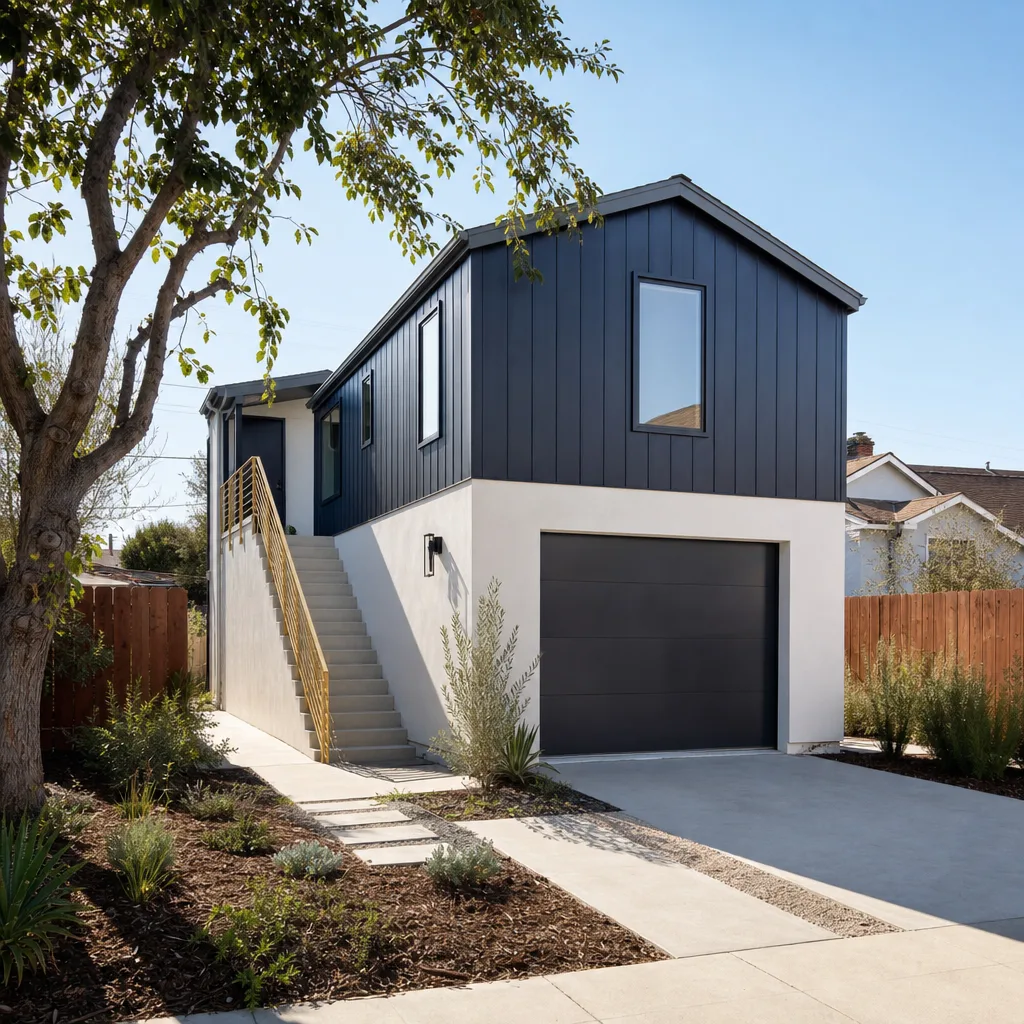
If you’re financing the build, planning to sell within ten years, or need the ADU in service on a specific timeline, a professional build is almost always the right call in Whitney. Same if you don’t hold a trade license – once electrical and plumbing are out of your hands, most of the theoretical savings disappears. The 365-Day Done Right Promise means every Sutton project is covered in writing for defects in workmanship for a full calendar year from completion, so a punch-list item that shows up in month eight is our problem, not yours. Every technician is background-checked, identity-verified, and photo-badged under the Threshold Standard, with their name and photo sent before arrival. Your written price is locked before any work starts, and if any element of the build fails, we come back once at no cost. Sutton ADU Builders Whitney offers free estimates in Whitney – call (844) 797-4814.
Frequently Asked Questions
Yes. Nevada’s owner-builder exemption allows a homeowner to pull permits on their own residence without a contractor’s license. What it doesn’t allow is self-performing the licensed trades – electrical, plumbing, and HVAC still require licensed contractors – or selling the structure as licensed contractor work. Call (844) 797-4814 if you want the professional version priced out for comparison.
General contractor markup on an ADU in this market is typically 15 – 25% of construction cost. On a $180,000 – $250,000 project that’s $27,000 – $62,500. What most owner-builders miss is that sub pricing, materials, and mistake costs quietly eat much of that gap. Call (844) 797-4814 for a written line-item estimate so you’re comparing real numbers.
Most lenders in this region won’t finance an owner-builder ADU, and many won’t count it in the appraised value. That matters most if you plan to refinance or pull a HELOC against the added value. Get a written answer from your lender before you submit plans. Call (844) 797-4814 if you want a professional build on paper instead.
Yes, and in our experience these are the legitimate DIY savings on an ADU – interior painting, trim, tile (if you’re experienced), landscaping, and post-inspection fixtures. Anything with a permit attached, anything involving gas, and anything that fails inspection on the first pass isn’t worth self-performing. Call (844) 797-4814 for a scope-by-scope conversation.
Yes. Nevada requires disclosure of material facts, and a structure built without a licensed GC on the paperwork is exactly the fact a buyer’s agent will flag. Expect a resale discount, and expect it to follow the property permanently. Call (844) 797-4814 if you want a build with a clean licensed-contractor paper trail.
A professional ADU build in Whitney typically runs several months depending on size and site work, but a professional project moves on a written schedule. Owner-builder timelines are longer and less predictable because sub availability and inspection corrections add weeks. Call (844) 797-4814 for a schedule you can plan around.
The Bottom Line
Nevada’s owner-builder exemption is real, and it does let a Whitney homeowner pull permits and manage an ADU build without a general contractor. But the savings only show up when three things are true: you hold a trade license, you’re paying cash, and you’re not selling soon. In every other case, the 15 – 25% markup you avoid comes back as sub pricing, mistake costs, lender friction, insurance complications, or a resale discount. Capable DIYers should keep painting, trim, tile, and landscape in their own hands – that’s real money. Everything with a permit, a gas line, or an inspection attached belongs to a licensed professional. Before you commit to the owner-builder route, price the professional version in writing so you’re comparing real numbers, not hypotheticals. Call Sutton ADU Builders Whitney at (844) 797-4814 for a free estimate – we’ll walk your lot, your plans, and your options with you, and give you a written price before anything starts.
Written by the team at Sutton ADU Builders Whitney.