Last updated November 17, 2026
DIY vs Professional ADU Builders: What’s Safe to Do Yourself
An ADU built with owner-builder labor that fails final inspection can’t be rented legally, and in Nevada, renting an unpermitted ADU can expose you to fines that outrun the rental income you were trying to earn in the first place. That single fact reshapes the whole DIY question. A fence you build yourself is a fence. An ADU you build yourself is a legal rental unit, a permitted structure, and a taxable asset all at once, and each of those depends on a passing final inspection. This guide walks through what Nevada owner-builder rules actually allow, where DIY work most often fails inspection, how to run the numbers honestly, and which tasks homeowners can safely take on in Whitney and across the valley.
Quick Answer
In Nevada, you can legally act as an owner-builder on your own ADU, but you can’t self-perform certain regulated work. Electrical, plumbing, and gas connections require licensed trade contractors in most jurisdictions, and the structural and life-safety elements are the ones inspectors scrutinize hardest. The tasks that are genuinely safe to do yourself are site prep, finish painting, landscaping, and cleanup. Everything that touches the permit, the inspection, or the warranty is where DIY savings usually evaporate.
Table of Contents
- What Nevada Owner-Builder Rules Actually Allow
- The Three Systems Where DIY Work Fails Inspection
- The Math: Do DIY Savings Survive the Corrections?
- Tasks That Are Genuinely Safe to Do Yourself
- What a Hybrid ADU Contract Looks Like
- The Inspection Sequence, Step by Step
- Common Mistakes to Avoid
- When to Call a Professional
What Nevada Owner-Builder Rules Actually Allow
Nevada recognizes the owner-builder exemption, which lets a property owner pull permits and act as their own general contractor on a home they’ll occupy. That’s a real allowance, and plenty of Whitney homeowners use it. What trips people up is reading the exemption as a license to self-perform everything. It isn’t.
The exemption lets you manage the project and hire the trades you need. It doesn’t let you sign off on regulated work that requires a licensed contractor. In practice, that means the following:
- You can act as the general contractor on your own occupied residence, pulling the building permit and coordinating subs.
- You cannot self-perform electrical work beyond minor fixture swaps. Panel work, new circuits, and service upgrades require a licensed electrician and their own permit.
- You cannot self-perform plumbing on the water supply, drain, waste, and vent systems. A detached ADU’s new water and sewer tie-ins are licensed plumber territory.
- You cannot self-perform gas line work if your ADU includes a gas range, water heater, or dryer. Gas is the single most dangerous category and inspectors treat it that way.
- You can self-perform non-structural finish work like painting, cabinet installation, flooring, and landscaping within the scope of the permit.
There’s also the practical matter of how owner-builder status affects a future sale. Some lenders and title companies will ask for documentation that the owner-builder exemption was properly applied, and if it wasn’t, the ADU can become a headache at closing. In Whitney, where a lot of homes are older and ADUs are increasingly part of resale valuation, that paperwork matters. If your goal is a legally rentable unit, the permits need to be clean from start to finish, which is where working with an ADU builder in Whitney who handles permit sequencing becomes worth the conversation.
The Three Systems Where DIY Work Fails Inspection
In our experience reviewing botched owner-builder ADU projects, the failures cluster into three systems. Electrical, plumbing, and structural. Each has its own failure pattern, and each one is expensive to unwind after the fact.
Electrical
Electrical failures are the most common and the most costly. Homeowners who watch enough tutorials can install a switch box, but they miss the code requirements that inspectors check line by line: breaker sizing matched to wire gauge, GFCI protection in the right locations, AFCI protection for bedrooms, dedicated circuits for major appliances, proper grounding and bonding. A detached ADU needs its own panel or a subpanel fed from the main house, and that feeder calculation is not a DIY job. Inspectors will fail the rough-in inspection if anything is off, and you can’t cover the walls until it passes.
Plumbing
Plumbing failures come from slope, venting, and tie-in. Drain lines need a specific fall per foot, or waste doesn’t move. Every fixture needs a vent, or traps siphon and the unit smells. A detached ADU’s sewer tie-in has to connect to the main line correctly, and if the connection is wrong, the first inspection catches it and you’re digging. Water heater installation, T&P valve discharge, and pressure regulation are all inspected items. Licensed plumbers exist because this stuff is genuinely hard and genuinely regulated.
Structural
Structural failures are less common but worse. Foundation anchors, framing connections, shear walls, and hold-downs all have engineered specs that come with the permit drawings. An owner-builder who frames by feel rather than by the drawings will fail the structural inspection, and correcting framing after the fact can mean re-opening walls. In Whitney, our expansive clay soils make foundation and drainage details more important than they are in most markets. We’ve seen ADUs where a poorly graded pad let water pool against the stem wall and the whole slab had to be re-evaluated. That’s not a fix you want to eat.
The through-line is that all three systems get inspected, and failed inspections have to be corrected and re-inspected before you move on. You can’t finish the drywall, you can’t get a certificate of occupancy, and you can’t rent the unit until the corrections are done.
The Math: Do DIY Savings Survive the Corrections?
The honest way to think about DIY ADU work is to compare what you think you’ll save against what corrections actually cost. Most homeowners price the saving and skip the correction risk. Run the numbers both ways before you decide.
Here’s what corrections typically involve once an inspector fails a rough-in:
- Re-tear-out. Opening drywall, pulling wire, or breaking up concrete to access the failed work.
- Licensed contractor time to correct the work, which you pay at a premium because it’s now an emergency.
- Re-inspection fees charged per visit by the jurisdiction.
- Schedule delay. Every week the project slips is a week of rent you don’t collect, plus any holding costs on materials or temporary financing.
- Downstream trade delays. Drywall, flooring, and finish crews get pushed, and their prices sometimes go up because they’re now fitting you in.
When we run this math with homeowners, the pattern is consistent. If your DIY effort covers a single electrical rough-in that fails once, you’re likely looking at more than the licensed electrician would have charged to do it right the first time. If it fails twice, or if it triggers a structural correction, you’re well past it. On an ADU of any real size, the licensed-trade cost for electrical and plumbing is a small fraction of the total project and one of the least volatile line items. The savings look real until they don’t.
There’s also a schedule cost that doesn’t show up on an invoice. A detached ADU in Whitney is a 4- to 8-month build depending on the approach. A single failed inspection that slips the project 3 to 6 weeks moves your rent-ready date and, if you’re financing the build, moves your interest clock. That’s real money, and it’s usually the biggest hidden DIY cost.
Tasks That Are Genuinely Safe to Do Yourself
None of the above means you can’t participate. Some ADU tasks are genuinely welcome DIY territory, and they don’t touch the permit or the warranty. Here’s the list we share with homeowners who want to do more than write checks.
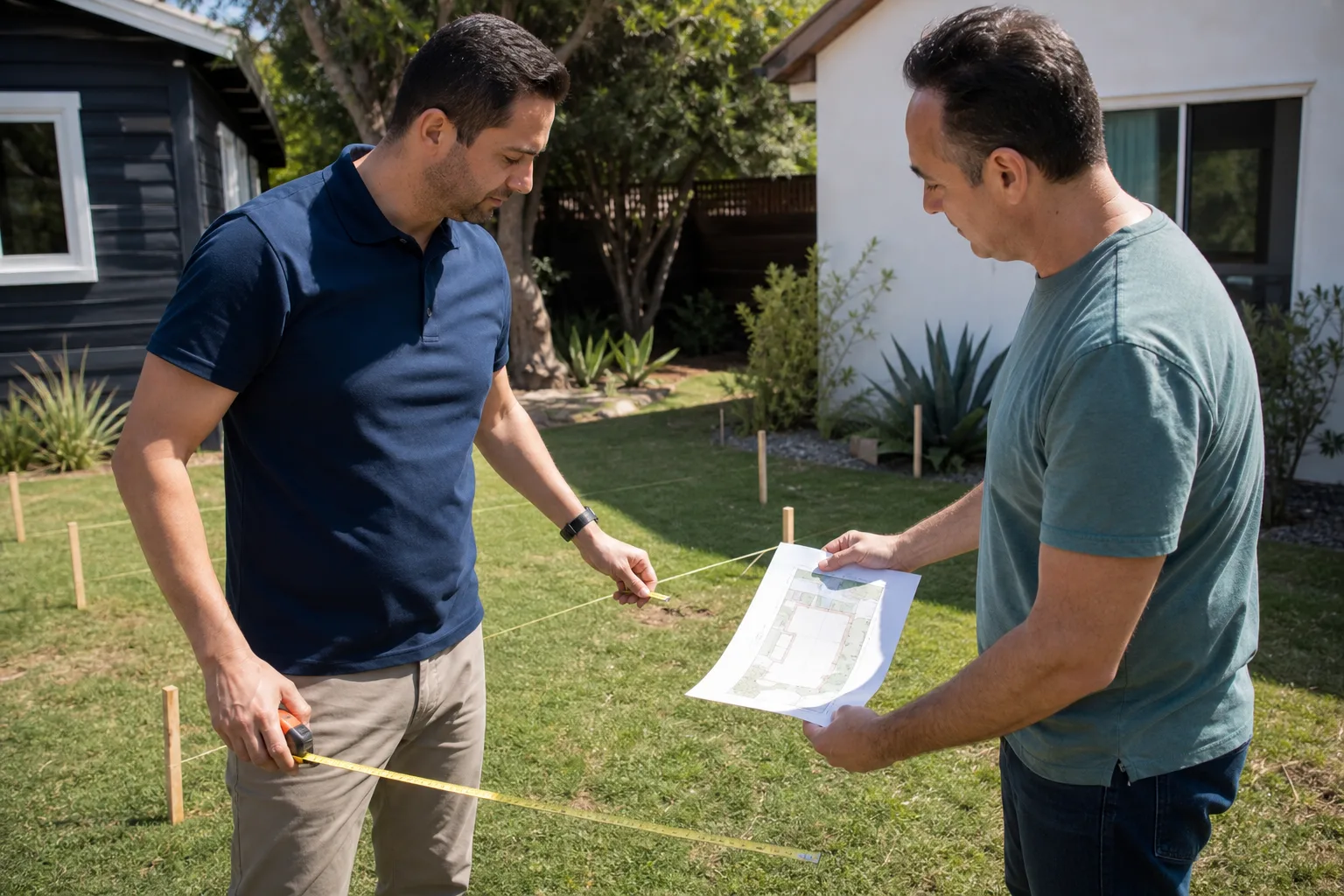
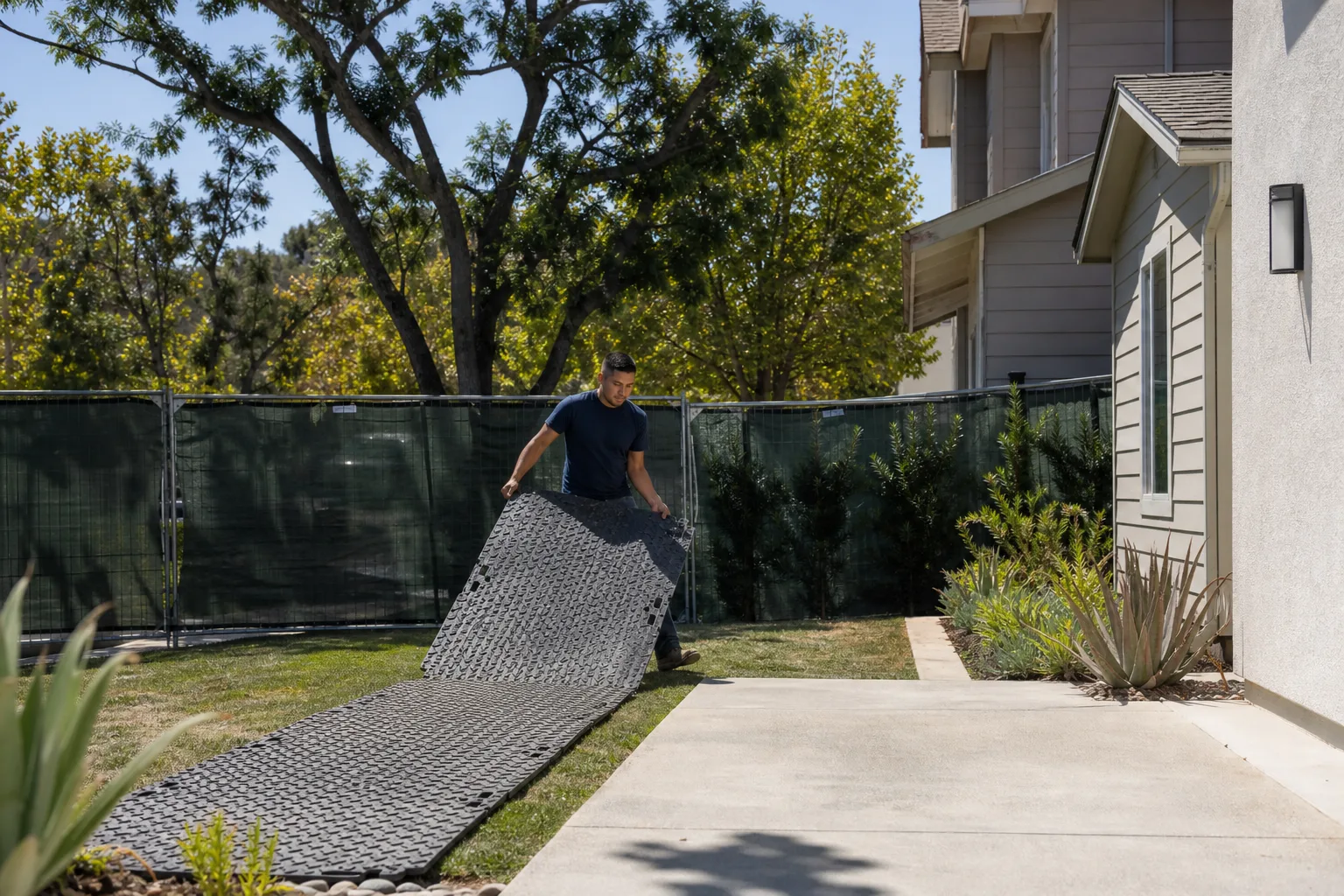
- Site prep. Clearing the lot, demoing an old shed or fence, hauling debris, and getting the site ready for the foundation crew. No permit implications, real savings.
- Finish painting. Interior walls, trim, and exterior touch-ups after the trade work is signed off. The inspector doesn’t care about paint.
- Landscaping. Lawn, plantings, hardscape, and drainage away from the structure. This is actually a good place to spend DIY energy because proper grading protects the foundation.
- Final cleanup. Construction debris removal, deep cleaning, and pre-rental staging.
- Finish carpentry and fixtures that are cosmetic, not code-regulated. Hanging cabinets, installing shelf systems, mounting window treatments.
- Furnishing and set-up for the rental, if you’re going that route.
Check with the GC or the jurisdiction before you take on anything outside this list, because “cosmetic” and “permitted” sometimes overlap in ways you wouldn’t expect. A good rule: if the task requires a licensed trade, leave it alone; if it doesn’t, and it’s after the final inspection, it’s yours.
What a Hybrid ADU Contract Looks Like
The middle path, and the one most Whitney homeowners end up choosing once they run the math, is a hybrid contract. A hybrid ADU contract splits the work explicitly between the general contractor and the homeowner, with a written scope that names exactly what each side is responsible for.
A well-written hybrid contract has four parts:
- Permitted work, assigned to the GC. Every system that’s inspected, including electrical, plumbing, structural, and the required sign-offs, is scoped to the contractor and their subs.
- Homeowner tasks, listed in writing. Site prep, painting, landscaping, and cleanup are spelled out with any deadlines that affect the schedule.
- A clear line for warranty. The 365-Day Done Right Promise covers defects in workmanship for one full calendar year from project completion. What it doesn’t cover is work the homeowner performed, or work a homeowner-directed third party performed. That distinction only protects you if it’s written down.
- Change-order rules. If the homeowner wants to take on more, or wants to hand off a task back to the GC, there’s a pre-agreed process and price.
This is where a written price before work begins makes the hybrid model workable. You know what the GC portion costs, you know what your portion involves, and nothing creeps into the bill silently. The authors of most ADU horror stories skipped this step.
The Inspection Sequence, Step by Step
Knowing what gets inspected, and in what order, clarifies why DIY shortcuts don’t survive. Here’s the typical sequence for a detached ADU in Whitney, understanding that your jurisdiction sets the final schedule.
- Permit issuance. Building permit plus trade permits for electrical, plumbing, and mechanical.
- Foundation inspection. Forms, rebar, and anchor bolts before the pour. A common DIY failure is anchor placement.
- Underslab plumbing and electrical. Rough-in for drains and any in-slab conduit. Once the slab goes in, corrections here are brutal.
- Framing and structural inspection. Connections, shear walls, and hold-downs verified against the engineered drawings.
- Electrical rough-in. Boxes, wire routing, panel work, and grounding before any insulation.
- Plumbing rough-in. Supply, drain-waste-vent, and pressure test.
- Insulation and drywall inspection. Before drywall goes up.
- Final inspections. Electrical, plumbing, mechanical, and building final, plus a certificate of occupancy.
Each numbered step is a gate. You can’t move to the next step until the previous one passes. That’s why a failed inspection on step five delays steps six through eight, which is why the correction cost is never just the correction. If you’re weighing a full-service approach against a hybrid, our team walks Whitney homeowners through this sequence on the free estimate and scopes out where they can participate without risking a gate. The Sutton ADU Builders Whitney home page lays out the standard we hold every project to, including the photo-badge crew vetting that matters if you’re home alone during the build.
Common Mistakes to Avoid
- Assuming owner-builder means you can self-perform electrical. It doesn’t, and inspectors will catch it. The permit and the license don’t transfer.
- Pricing the DIY saving without pricing the correction. If you haven’t written down the re-tear-out cost, the re-inspection fee, and the delay, you haven’t run the math.
- Skipping the engineered drawings on a DIY build. Whitney’s expansive soils require engineered foundation and drainage details that a permit office will reject if missing. You can’t build to a drawing you don’t have.
- Handshaking the homeowner tasks with the GC. If your scope boundaries aren’t written, the warranty won’t cover the disputed portion. Put it on paper.
- Assuming you can rent the unit before the final inspection passes. You can’t legally rent a unit that lacks a certificate of occupancy, and renting unpermitted is what triggers the fines.
- Forgetting that utilities have to be tied in by licensed trades. The ADU’s water, sewer, gas, and electric all have regulated connection points even if the unit itself is small.
- Treating prefab as DIY. Brands like Dvele, Mighty Buildings, and Plant Prefab handle the factory build, but site work, foundations, and utility tie-ins still have to be permitted and inspected locally. The module arriving doesn’t skip the process.
When to Call a Professional
Call a professional the moment your ADU plan involves any inspected system, which is nearly all of them. Specifically, bring in a licensed GC or specialty trade when: you’re pulling a building permit for a detached ADU or a garage conversion; you need electrical panel work, new circuits, or a service upgrade; you’re tying into plumbing, sewer, or gas; your foundation design involves engineered drawings or expansive soils; or you’ve already failed an inspection and you want the correction done once. If you’re planning a room addition alongside the ADU, the same logic applies, and the room addition contractor in Whitney conversation should happen before you pull permits, not after. Sutton ADU Builders Whitney offers free estimates in Whitney, a written price before work begins, and the 365-Day Done Right Promise. Call (844) 797-4814 to schedule yours.
Frequently Asked Questions
You can act as your own general contractor on your own occupied residence under Nevada’s owner-builder exemption, but you can’t self-perform licensed trade work like electrical, plumbing, or gas. If your ADU plan involves those systems (and virtually every ADU does), you’ll need licensed contractors for those portions even when you’re managing the project yourself. Call (844) 797-4814 if you want a free estimate on the contractor-handled portion.
The corrections have to be made and re-inspected before the unit can be legally occupied or rented. That usually means re-opened walls, licensed contractor correction work, and re-inspection fees, plus the schedule delay of getting on the inspector’s calendar. The delay cost is often larger than the correction itself. For an exact quote on the correction or a hybrid contract going forward, call (844) 797-4814.
No. Renting an ADU that lacks a certificate of occupancy exposes you to fines and enforcement, and the fines can exceed the rental income. If you’ve been approached by a tenant while the unit is still waiting on inspections, that’s a hard stop. Call (844) 797-4814 to talk through the permit and inspection path before you sign a lease.
Site prep, finish painting after the final inspection, landscaping, and final cleanup are genuinely safe DIY territory. So are cosmetic finish items like hanging cabinets and fixtures that don’t fall under code. Electrical, plumbing, gas, and structural work are not, even when you’re acting as owner-builder. If you want a written breakdown of which is which for your specific project, our free estimate covers it. Call (844) 797-4814.
It changes the construction path, not the inspection path. Brands like Abodu, Boxabl, and Plant Prefab (and we work with several lines) deliver a factory-built module, but the site work, foundation, and utility tie-ins still have to be permitted, inspected, and passed locally. The module arriving on a truck doesn’t skip the permit process. Call (844) 797-4814 for guidance on which product line fits your Whitney lot.
A hybrid contract assigns permitted work to the GC and a specific list of finish tasks to the homeowner, with clear written scope boundaries and a stated warranty line for each. The 365-Day Done Right Promise covers defects in workmanship for a full calendar year from project completion, but the scope of what it covers is defined by the contract. We send every homeowner a written price before work begins, plus the name and photo of every technician who’ll show up at the door. Call (844) 797-4814 to see what a hybrid scope looks like for your project.
The Bottom Line
The DIY question for an ADU isn’t a skill question. It’s an inspection question. Site prep, painting, and landscaping are yours. Electrical, plumbing, gas, and structural work belong to licensed trades because the final inspection has to pass before you can legally rent the unit, and in Nevada, renting unpermitted exposes you to fines that can outrun your rent. The tasks worth doing yourself don’t risk the permit. The ones that do, aren’t worth the correction cost. A hybrid contract gives you the participation you want without risking the part that matters. For a free estimate in Whitney and a written scope that names exactly who’s doing what, call Sutton ADU Builders Whitney at (844) 797-4814, and take a look at our home addition contractor in Whitney services if your project is growing beyond a standalone ADU.
Written by the team at Sutton ADU Builders Whitney.